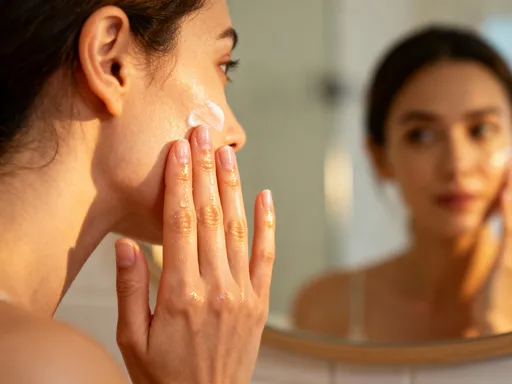
Glow That Lasts: How Consistent Skincare Changed My Daily Life
Skincare isn’t about quick fixes—it’s a long-term commitment that quietly transforms how you feel every day. I used to chase instant results, but over time, I realized true radiance comes from consistency, not shortcuts. This journey did more than improve my skin—it boosted my confidence, simplified my routine, and enhanced my overall quality of life. Let me share what actually works when you think beyond the mirror. Real change doesn’t come from viral products or celebrity endorsements; it comes from daily choices that support your skin’s natural health. When you stop chasing perfection and start honoring your skin’s needs, something shifts—not just in how you look, but in how you live.
The Myth of Overnight Results
Many people expect dramatic improvements in their skin within days of starting a new product. They invest in serums, masks, and treatments promising visible results in one week or less, only to feel discouraged when their complexion doesn’t transform overnight. This expectation is not only unrealistic but also counterproductive. The truth is that skin renewal cycles take about 28 days on average, meaning it can take nearly a month to see meaningful changes—even from effective products. Promises of immediate glow or instant wrinkle reduction are often exaggerated marketing claims that prey on frustration and impatience.
Real skincare progress is slow, subtle, and cumulative. It reveals itself in small ways: a slight improvement in texture, a reduction in dry patches, or fewer breakouts over time. These quiet victories are easy to overlook if you're focused on dramatic before-and-after photos. Yet, they are the foundation of lasting skin health. When you shift your mindset from seeking fast fixes to valuing steady progress, you begin to appreciate the process rather than obsess over the outcome. This change in perspective reduces stress, which in turn benefits your skin—since emotional well-being and skin health are closely linked.
Moreover, constantly switching products in search of quicker results can actually harm your skin barrier. Overuse of active ingredients like retinoids, acids, or strong cleansers without proper spacing can lead to irritation, redness, and increased sensitivity. Dermatologists consistently emphasize that less is often more when it comes to skincare. Instead of rotating through trendy items, building trust in a few reliable products allows your skin to adjust and respond positively over time. Consistency builds resilience, while chaos creates confusion—for both your skin and your routine.
The myth of overnight transformation also fuels consumerism and unnecessary spending. People buy into multi-step regimens with toners, essences, ampoules, and sleeping masks, thinking more steps equal better results. But research shows that simplicity, when paired with consistency, delivers superior outcomes for most skin types. The key is not how many products you use, but how regularly and thoughtfully you use them. By rejecting the pressure to see instant change, you free yourself to build a sustainable, science-backed approach that supports lifelong skin wellness.
Building a Sustainable Routine: Less Can Be More
One of the most empowering realizations in my skincare journey was discovering that a minimalist routine could deliver better results than a cluttered, complicated regimen. I used to believe that more products meant more care—until I experienced the opposite. My skin became calmer, clearer, and more balanced when I simplified to just three essential steps: cleansing, moisturizing, and sun protection. These core practices, performed consistently, form the backbone of any effective skincare strategy, regardless of age or skin type.
Cleansing removes dirt, oil, and impurities that accumulate throughout the day, preventing clogged pores and breakouts. However, it's important to choose a gentle cleanser that doesn’t strip the skin of its natural oils. Harsh soaps or over-washing can disrupt the skin barrier, leading to dryness and inflammation. A mild, pH-balanced cleanser used morning and night is usually sufficient for most people. The goal is not to feel “squeaky clean,” which often indicates over-drying, but to feel refreshed and comfortable.
Morning and evening moisturizing helps maintain hydration and supports the skin’s protective function. Even oily skin benefits from a lightweight, non-comedogenic moisturizer. Hydration improves elasticity, reduces the appearance of fine lines, and helps the skin recover from environmental stressors. Applying moisturizer while the skin is still slightly damp locks in moisture more effectively. Over time, this simple act contributes to a smoother, plumper complexion.
Sun protection is perhaps the single most important step in preventing premature aging and reducing the risk of skin damage. Daily use of broad-spectrum sunscreen with at least SPF 30 protects against both UVA and UVB rays, which contribute to wrinkles, dark spots, and uneven tone. Unlike other products whose effects may take weeks to appear, sunscreen works continuously to prevent harm. Skipping it—even on cloudy days or during winter—undermines all other efforts. Making sun protection a non-negotiable part of your routine, like brushing your teeth, ensures long-term benefits.
Adding extra products like serums or exfoliants can be helpful, but only when introduced gradually and used consistently. The temptation to layer multiple actives at once often leads to irritation rather than improvement. Instead, consider introducing one new product at a time, allowing your skin four to six weeks to respond. This methodical approach helps identify what truly works for you. Simplicity also makes adherence easier—when a routine feels manageable, you're more likely to stick with it every day, rain or shine.
Skin as a Reflection of Lifestyle
Your skin doesn’t operate in isolation—it’s deeply connected to your overall health and daily habits. What you eat, how much water you drink, the quality of your sleep, and your stress levels all leave visible traces on your face. This connection means that glowing skin isn’t just the result of topical treatments; it’s a reflection of internal well-being. Skincare routines work best when supported by a foundation of healthy lifestyle choices.
Hydration plays a crucial role in maintaining skin elasticity and clarity. Water helps transport nutrients to skin cells and flushes out toxins. While drinking water alone won’t erase wrinkles, chronic dehydration can make skin look dull, dry, and more prone to fine lines. Most health professionals recommend consuming adequate fluids throughout the day, primarily through water, herbal teas, and water-rich foods like cucumbers, oranges, and tomatoes. Pairing internal hydration with topical moisturizers creates a dual-layer defense against dryness.
Nutrition also influences skin health in powerful ways. Diets rich in antioxidants—found in colorful fruits and vegetables—help combat oxidative stress caused by pollution and UV exposure. Omega-3 fatty acids, present in fatty fish, flaxseeds, and walnuts, support the skin’s lipid barrier, reducing inflammation and improving moisture retention. On the other hand, diets high in refined sugars and processed foods have been associated with increased acne and accelerated aging due to their impact on insulin levels and inflammation. While no single food causes perfect skin, a balanced, whole-foods-based diet provides the building blocks for a healthy complexion.
Sleep is another pillar of skin wellness. During deep sleep, the body repairs damaged cells and produces collagen, the protein responsible for firmness and elasticity. Chronic sleep deprivation disrupts this process, leading to puffiness, dark circles, and a sallow appearance. Studies show that poor sleep quality is linked to reduced skin barrier function and slower recovery from environmental damage. Prioritizing seven to nine hours of restful sleep each night supports both mental clarity and skin renewal.
Stress management is equally important. When you’re under prolonged stress, your body produces higher levels of cortisol, a hormone that can trigger oil production and inflammation—leading to breakouts and sensitivity. Mindful practices such as walking, journaling, deep breathing, or spending time in nature can help regulate stress responses. Incorporating a few minutes of calm into your day doesn’t just benefit your mood; it shows up on your skin. When you care for your body holistically, your skincare routine becomes part of a larger commitment to self-care, not just surface-level maintenance.
The Power of Patience: Tracking Subtle Changes
One of the hardest but most rewarding aspects of a consistent skincare routine is learning to be patient. Unlike dieting or exercise, where changes might be measured by numbers on a scale or visible muscle tone, skincare progress is often too gradual to notice day by day. The improvements come in whispers: slightly smoother cheeks, a decrease in post-acne marks, or a more even tone across the forehead. These shifts are real, but they require attention and time to recognize.
Tracking these subtle changes can help build confidence in your routine. Keeping a simple skincare journal—where you note down products used, skin reactions, and observations—can reveal patterns over time. For example, you might notice that after four weeks of using a vitamin C serum, your complexion appears brighter in natural light. Or that switching to a fragrance-free moisturizer reduced morning redness. These small wins validate your efforts and reinforce the value of consistency.
However, tracking should never become obsessive. The goal is awareness, not perfectionism. Weighing your skin’s progress daily or scrutinizing your reflection under harsh lighting can increase anxiety and distort perception. Instead, take photos under consistent conditions—same lighting, same angle—every few weeks to objectively assess changes. Compare them monthly, not daily. This method provides a clearer picture of improvement without feeding insecurity.
Patience also builds trust—not just in products, but in yourself. When you commit to a routine even when results aren’t immediate, you cultivate discipline and self-respect. You begin to see skincare not as a chore, but as an act of faith in your future self. Dermatologists often advise giving any new product at least six to eight weeks before deciding its effectiveness. This timeline aligns with the skin’s natural turnover cycle and allows time for true adaptation. Rushing to judgment only prolongs the search for what works.
Over time, patience transforms your relationship with your skin. You stop fighting against it and start listening to it. You learn its rhythms, its triggers, and its strengths. This deep understanding leads to better decisions—knowing when to introduce a new ingredient, when to scale back, and when to seek professional guidance. Skincare becomes less about fixing flaws and more about nurturing what’s already there.
Adapting Over Time: Your Skin Isn’t Static
Just as your body changes with age, seasons, and life circumstances, so does your skin. What worked perfectly in your twenties may no longer meet your needs in your forties. Hormonal shifts, climate changes, travel, illness, or even medication can alter your skin’s behavior. Recognizing this fluidity is essential for maintaining long-term results. A rigid routine may fail when your skin evolves, but a flexible approach allows you to adapt without starting over.
Seasonal changes are one of the most common reasons to adjust your skincare. In winter, cold air and indoor heating can strip moisture, leading to dryness and flakiness. Switching to a richer moisturizer, using a humidifier, and avoiding hot showers can help maintain comfort. In summer, increased oil production and sun exposure may call for lighter formulations and stronger sun protection. These seasonal tweaks aren’t signs of failure—they’re intelligent responses to changing conditions.
As you age, your skin naturally produces less collagen and hyaluronic acid, leading to decreased firmness and hydration. Fine lines may appear, and healing may slow. This doesn’t mean you need ten new products, but it does mean paying closer attention to hydration and protection. Incorporating a retinoid (with medical guidance if needed), using antioxidant serums, and continuing daily sunscreen become even more important. The goal isn’t to look younger, but to support your skin’s health at every stage.
Life events also influence skin needs. Travel can disrupt routines due to changes in climate, water quality, or sleep schedules. Stressful periods often manifest as breakouts or sensitivity. Illness or hormonal fluctuations—such as those during perimenopause—can trigger new concerns. Rather than reacting with panic or drastic changes, a mindful approach involves observing, adjusting gently, and returning to basics when needed. Sometimes, the best response is simplifying the routine until balance is restored.
Flexibility within structure ensures sustainability. You don’t have to abandon your core principles—cleansing, moisturizing, sun protection—but you can modify details based on need. This balance between consistency and adaptation prevents burnout and keeps your routine relevant. Skincare becomes a living practice, not a fixed set of rules. When you honor your skin’s changing nature, you build a relationship rooted in care, not control.
Emotional Payoffs Beyond Appearance
While clearer skin and a more even tone are welcome outcomes, the emotional benefits of a consistent skincare routine often go unnoticed. Taking time each morning and night to care for your skin creates moments of stillness in an otherwise busy life. These rituals become anchors—predictable, calming, and grounding. For many women, especially those managing households, careers, or caregiving responsibilities, these few minutes of self-focus are rare and precious.
Engaging in a mindful skincare practice fosters a sense of self-respect. It sends a quiet message: I am worth the time, the effort, the attention. This isn’t vanity; it’s validation. When you prioritize your well-being, even in small ways, you reinforce your own value. Over time, this builds confidence—not the kind that depends on compliments, but the kind that comes from knowing you’re showing up for yourself.
Studies in behavioral psychology suggest that regular self-care routines contribute to improved mood and reduced anxiety. The repetitive motions of cleansing, applying moisturizer, or massaging in serum can have a meditative effect, lowering heart rate and promoting relaxation. These actions engage the senses—touch, scent, temperature—and create a sensory pause in the day. For some, this ritual becomes a form of mindfulness, a way to transition from work to rest or from stress to calm.
The emotional payoff also extends to daily interactions. When you feel comfortable in your skin, you’re more likely to engage openly, smile freely, and carry yourself with ease. You’re not hiding behind layers of makeup or avoiding photos. This internal shift influences how others perceive you—not because you look different, but because you radiate a quiet assurance. Confidence, after all, is felt before it’s seen.
Moreover, maintaining a routine through challenging times—when motivation is low or life feels overwhelming—builds resilience. Showing up for yourself even when no one is watching strengthens inner discipline and emotional stability. It becomes less about the mirror and more about the message you’re sending to yourself: I matter. This emotional foundation supports not just skin health, but overall well-being.
Making Skincare a Lifelong Habit, Not a Trend
True skincare success isn’t measured by viral transformations or influencer endorsements—it’s measured by consistency over years, not weeks. The most effective routines are the ones you can maintain for a lifetime, not just until the next trend emerges. This means choosing products and practices that fit seamlessly into your life, align with your values, and support long-term health rather than short-term spectacle.
To make skincare sustainable, integrate it into existing habits. Pair cleansing with brushing your teeth, apply moisturizer while your morning coffee brews, or use sunscreen as the final step before grabbing your keys. These small connections increase adherence by making the routine automatic. When self-care becomes part of your rhythm, it no longer feels like an added task.
Avoiding burnout is essential. If your routine feels like a burden, simplify it. Drop steps that don’t serve you. Re-evaluate products that cause irritation or require excessive effort. Remember, the goal is health, not perfection. Even dermatologists agree that a two-step routine done daily is better than a ten-step regimen done once a week. Progress comes from repetition, not complexity.
Finally, know when to seek professional advice. While many concerns can be managed at home, persistent issues like severe acne, rosacea, or sudden changes in moles should be evaluated by a licensed dermatologist. Professional guidance ensures safety and effectiveness, especially when considering prescription treatments or procedures. There’s no shame in asking for help—only wisdom in recognizing your limits.
At its core, skincare is a form of self-promise—a daily commitment to care, patience, and respect. It’s not about achieving flawless skin, but about honoring your body as it is while supporting its natural ability to thrive. When you shift from chasing perfection to practicing presence, your skin begins to glow—not just from products, but from the quiet strength of consistency. And that kind of radiance lasts far longer than any trend ever could.