How a 10-Minute Daily Habit Brought Our Family Closer
I never thought something as simple as moving together could transform our home. Like many families, we were constantly busy, stressed, and emotionally disconnected—until we started exercising as a unit. In just minutes a day, we noticed more than physical changes; the laughter returned, conversations deepened, and tension faded. This isn’t about intense workouts or perfect form. It’s about shared moments that rebuild connection. What if the key to family harmony wasn’t more talking—but moving together?
The Hidden Cost of a Sedentary Family Life
In homes across the country, families sit together at dinner, share the same couch, and even travel in the same car—yet feel increasingly isolated from one another. Physical proximity does not guarantee emotional closeness. The modern family environment, shaped by long work hours, digital distractions, and mental fatigue, often lacks one essential ingredient: shared movement. When families stop moving together, they lose more than physical fitness—they lose the subtle but powerful forms of connection that arise through coordinated activity.
Children naturally engage in physical play. They run, jump, dance, and tumble without self-consciousness, often inviting others to join. But as families grow older, this instinct fades. Adults prioritize efficiency over play, choosing sedentary routines that emphasize productivity rather than presence. The result is a household where each member operates in isolation: one person scrolling on a tablet, another answering emails, a child absorbed in a video game, and a partner catching up on chores. Even when in the same room, the lack of shared physical experience creates emotional distance.
Research in behavioral psychology suggests that physical inactivity within families correlates with reduced emotional bonding. Movement, especially when synchronized, activates regions of the brain associated with empathy and social cohesion. When family members walk in step, clap to the same rhythm, or stretch side by side, they engage in what scientists call "interpersonal synchrony"—a phenomenon linked to increased trust and cooperation. Without these small, embodied interactions, families miss daily opportunities to strengthen their relational fabric.
The cost of this disconnect is not just emotional—it’s physiological. Sedentary lifestyles contribute to higher stress levels, lower energy, and diminished mood regulation, all of which make meaningful interaction more difficult. When fatigue and irritability dominate, even minor disagreements can escalate. The absence of physical activity removes a natural outlet for tension, leaving stress to accumulate in silence. In this way, inactivity becomes a quiet but persistent force eroding family harmony.
Why Movement Builds Connection Faster Than Conversation
Many families try to reconnect through conversation—family meetings, heart-to-heart talks, or structured check-ins. While these efforts are well-intentioned, they often feel forced or awkward, especially when emotional walls are already high. There is, however, a more organic path to closeness: moving together. Physical activity bypasses the pressure to perform verbally and creates space for connection to emerge naturally.
The science behind this is both compelling and reassuring. When people engage in moderate physical activity, their bodies release oxytocin—the so-called "bonding hormone"—which promotes feelings of trust and attachment. At the same time, cortisol, the primary stress hormone, decreases. This biochemical shift creates a calmer, more open state of mind, making it easier to listen, empathize, and respond with patience. These changes occur whether the activity is vigorous or gentle, as long as it involves rhythmic movement and shared presence.
Synchronous movement—such as walking side by side, dancing to the same beat, or even doing simple stretches in unison—has a unique effect on group dynamics. Studies have shown that people who move together in rhythm report feeling more connected, more cooperative, and more willing to support one another. This is not limited to romantic relationships or friendships; it applies equally to parent-child and sibling bonds. The act of moving in harmony sends a nonverbal message: "We are in this together."
Unlike structured conversations, shared movement allows for comfortable silence. There is no need to fill the space with words. Instead, families can simply be present, side by side, breathing at the same pace. This shared rhythm creates a sense of safety and belonging. Over time, these quiet moments open the door to deeper dialogue. Children may begin to share school struggles during a walk, or a spouse might reveal a work concern while folding laundry together. The movement doesn’t replace talking—it makes talking easier.
The 10-Minute Rule: Small Efforts, Big Shifts
One of the most common barriers to family exercise is time. Parents often believe that to make a difference, they need to commit to long workouts, special equipment, or complicated routines. But research consistently shows that even brief, consistent physical activity can produce significant benefits. The key is not duration or intensity—it’s regularity. A daily 10-minute movement session, when practiced consistently, can improve mood, reduce stress, and strengthen family bonds.
Neurological studies indicate that just ten minutes of moderate activity—such as brisk walking, light dancing, or gentle stretching—can trigger the release of endorphins and serotonin, neurotransmitters associated with well-being and emotional stability. These effects are immediate and cumulative. Over time, family members become more resilient to daily stressors, more patient with one another, and more capable of navigating conflict constructively.
The beauty of the 10-minute rule lies in its simplicity and accessibility. It does not require special skills, athletic ability, or financial investment. It can be done in the living room, backyard, or neighborhood sidewalk. The goal is not to achieve fitness milestones but to create shared moments of presence. When families focus on consistency rather than performance, the habit becomes sustainable. What begins as a small commitment often grows into a cherished part of the day.
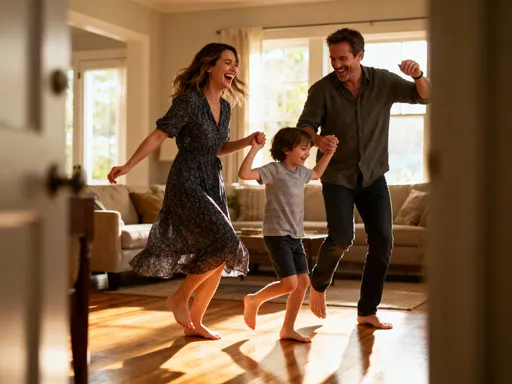
Moreover, short sessions are less likely to be resisted by children or teens, who may view longer workouts as chores. A 10-minute dance break to a favorite song, a quick game of tag, or a sunrise stretch session can feel playful rather than demanding. By keeping the threshold low, families increase the likelihood of adherence. Over weeks and months, these micro-moments accumulate into a powerful pattern of connection.
What Works: Simple, Inclusive Activities for All Ages
For family movement to succeed, it must be inclusive. Activities should accommodate varying energy levels, physical abilities, and interests. The goal is not to create a uniform workout but to find shared experiences that feel enjoyable for everyone. This means prioritizing fun over fitness, participation over performance, and cooperation over competition.
Walking is one of the most effective and accessible options. A family walk after dinner, whether around the block or through a local park, provides gentle exercise and natural opportunities for conversation. Walking the family pet together combines responsibility with connection. For families in urban areas, a short stroll through a neighborhood or along a trail can offer a change of scenery and a mental reset.
Active video games, such as dance or sports simulations, can engage children and teens who are already comfortable with technology. When played together, these games become social events rather than solitary screen time. Similarly, yard work—raking leaves, gardening, or washing the car—can be transformed into a team effort. These tasks involve movement, teach responsibility, and result in visible accomplishments that foster pride.
Following short online movement videos is another practical option. Many platforms offer 10-minute family-friendly routines that include stretching, yoga, or light cardio. These videos provide structure without pressure, often incorporating music and playful instructions that appeal to children. The key is to choose content that emphasizes participation, not perfection. Laughter and missteps are part of the experience.
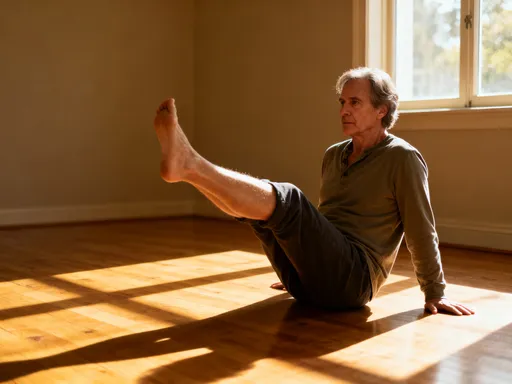
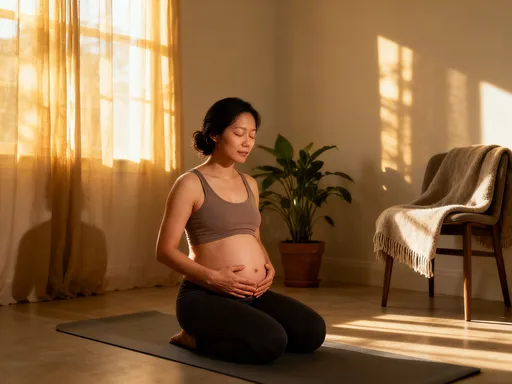
Safety and comfort are essential. Activities should be adapted to ensure that no one feels excluded due to physical limitations or self-consciousness. Seated stretches, slow dancing, or even synchronized breathing exercises can be meaningful forms of movement. The focus should always be on inclusion and enjoyment, not on achieving a certain level of exertion.
Creating a Ritual: Turning Exercise into Family Culture
For movement to become a lasting part of family life, it must evolve from a task into a tradition. Rituals have a powerful psychological effect—they create predictability, reinforce identity, and deepen emotional bonds. When families establish a regular movement habit, they send a clear message: "We value time together. We care about each other’s well-being. We show up for one another."
The most successful family routines are built into the natural flow of the day. A post-dinner walk, a morning stretch session before school, or a weekend bike ride can become expected and anticipated parts of the schedule. Consistency is more important than duration. Even if the activity lasts only five to ten minutes, doing it at the same time each day helps it become automatic.
Gentle reminders can support the habit. A sticky note on the fridge, a calendar checkmark, or a shared family app can help everyone stay on track. Celebrating small milestones—such as completing a week or a month of daily movement—reinforces commitment. Rewards do not need to be material; a family dance party or a special outing can serve as meaningful recognition.
Over time, the language around movement shifts. Instead of saying, "We have to go for a walk," families begin to say, "It’s our time to move together." This subtle change reflects a deeper transformation—from obligation to opportunity, from chore to connection. The ritual becomes a source of comfort and continuity, especially during stressful periods.
Beyond the Body: Emotional Payoffs of Moving as a Unit
While the physical benefits of regular movement—improved cardiovascular health, better sleep, increased energy—are well-documented, the emotional rewards are equally significant. Families who move together report feeling more united, more patient, and more capable of handling challenges. These benefits are not incidental; they are direct outcomes of shared physical experience.
When family members overcome small physical challenges together—such as finishing a walk in the rain, completing a dance routine, or building endurance for a longer bike ride—they develop a sense of collective accomplishment. This shared resilience strengthens their ability to face other difficulties, whether academic, financial, or interpersonal. They learn, through action, that they can rely on one another.
Parents also model healthy coping strategies. Children observe how their caregivers manage fatigue, frustration, or discomfort during physical activity—not by quitting, but by persisting with encouragement and humor. This teaches emotional regulation in a tangible way. Instead of avoiding stress, families learn to move through it—together. These lessons extend far beyond the activity itself, shaping how children respond to challenges in school, friendships, and life.
Additionally, shared movement fosters gratitude and appreciation. After a family walk, a child might point out a bird they noticed, or a partner might comment on the beauty of the sunset. These small moments of shared awareness deepen connection and cultivate mindfulness. They remind families to slow down, to notice, and to be present with one another.
Starting Now: Your First Step Toward a Connected Family
Change begins with a single decision. The most effective way to start is with simplicity: choose one activity, pick a consistent time, and commit to doing it together for one week. The goal is not perfection—it’s presence. It’s about showing up, even when energy is low or motivation is missing. The act of choosing to move together, again and again, is what builds trust and connection.
Start with something manageable. If mornings are chaotic, try a 10-minute stretch session before bedtime. If evenings are too busy, opt for a weekend morning ritual. The activity can be as simple as walking around the block, dancing to three favorite songs, or following a short YouTube video. The details matter less than the consistency.
Anticipate obstacles and plan for flexibility. Bad weather? Move indoors. Tired after work? Choose a gentler activity, like seated stretches or deep breathing. One family member reluctant to participate? Invite rather than insist. Let them observe at first, or suggest a low-pressure role, like choosing the music. The goal is inclusion, not compliance.
No special equipment, gym membership, or expertise is required. What matters is the willingness to try. Over time, the habit will grow stronger, and the benefits will become more apparent. Family members may begin to look forward to the shared time, initiating it without prompting. This is the sign of a true cultural shift—one rooted in care, connection, and mutual support.
Movement as a Language of Love
Exercise is often framed as a personal responsibility—an act of self-discipline or self-improvement. But when practiced as a family, it becomes something deeper: a form of collective care. Moving together is a quiet but powerful way to say, "I am here with you. I value our time. I choose to show up." It is a language spoken not in words, but in steps, breaths, and shared rhythms.
These small daily moments accumulate into something lasting. They rebuild trust eroded by stress. They restore joy diminished by routine. They strengthen the invisible threads that hold families together. In a world that pulls us in countless directions, moving together becomes an act of resistance—a deliberate choice to prioritize connection over convenience.
The path to a closer family does not require grand gestures or elaborate plans. It begins with a single step, taken together. It grows with each shared breath, each moment of laughter, each decision to keep going even when it’s hard. The result is not just healthier bodies, but more resilient relationships, deeper understanding, and a home filled with greater peace.
Start small. Move together. Watch how your family grows stronger—one minute at a time.