How I Tamed My Cholesterol Without Crazy Diets or Pills
Ever feel like your body’s warning signals are speaking a language you don’t understand? For years, I ignored mine—until a routine checkup revealed high cholesterol. It wasn’t a crisis, but a wake-up call. This isn’t a miracle story or a medical fix. It’s about simple, science-backed changes that actually fit into real life. No extremes, just sustainable shifts that made a noticeable difference—and can for you too. Always consult your doctor, but let this be your starting point.
The Moment Everything Changed
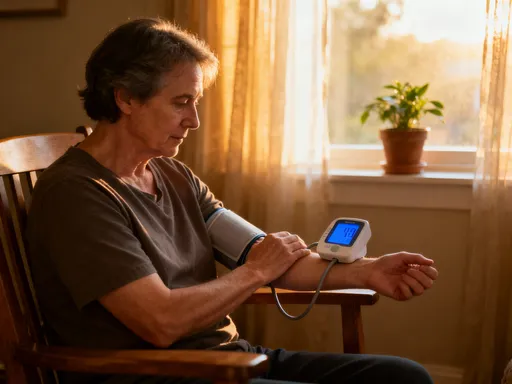
It was a typical Tuesday morning—coffee in hand, kids off to school, and me heading to a long-overdue annual physical. I didn’t expect anything unusual. After all, I wasn’t experiencing chest pain or shortness of breath. I wasn’t overweight. I walked a few times a week. But when my doctor called a week later, her tone shifted my calm into quiet concern. My total cholesterol was above 240 mg/dL, and my LDL—often called “bad” cholesterol—was creeping into the high-risk range.
What struck me most wasn’t fear, but confusion. I didn’t eat fast food daily. I rarely touched red meat. So how had this happened? Like many women in their 40s and 50s, I assumed high cholesterol was something that happened to other people—older men with stressful jobs or those with a family history. But the truth is, cholesterol imbalance doesn’t discriminate. It can develop silently, influenced by a mix of genetics, aging, and lifestyle patterns we often overlook.
I also realized how many myths I’d absorbed over the years. One of the biggest? That eating cholesterol-rich foods like eggs is the main culprit. While diet plays a role, research shows that for most people, saturated and trans fats have a far greater impact on blood cholesterol levels than dietary cholesterol itself. Another misconception is that medication is the only solution. While statins are important for some, many individuals can improve their lipid profile through consistent, manageable lifestyle adjustments—especially when caught early.
This moment wasn’t about panic. It was about awareness. And it became the foundation for a new relationship with my health—one built not on restriction or fear, but on understanding and sustainable choices.
What Cholesterol Really Is (And Why It Matters)
To make sense of my numbers, I had to first understand what cholesterol actually is. It’s not a toxin or a villain—it’s a waxy, fat-like substance produced primarily by the liver. In fact, every cell in the body needs cholesterol to build cell membranes, produce vitamin D, and synthesize essential hormones like estrogen and cortisol. Without it, life wouldn’t be possible.
The problem isn’t cholesterol itself, but how it moves through the bloodstream and where it ends up. This is where lipoproteins come in—molecules that carry cholesterol through the blood. The two most important types are low-density lipoprotein (LDL) and high-density lipoprotein (HDL). Think of them as delivery trucks and cleanup crews on a busy highway.
LDL carries cholesterol from the liver to the body’s tissues. When there’s too much LDL, or when it becomes damaged due to inflammation or oxidative stress, it can seep into the walls of arteries and begin forming plaque. Over time, this buildup narrows the arteries, increasing the risk of heart disease and stroke. That’s why LDL is often labeled “bad” cholesterol—though it’s not inherently bad, just problematic in excess.
HDL, on the other hand, acts like a recovery team. It picks up excess cholesterol from the bloodstream and artery walls and returns it to the liver for processing and removal. Higher levels of HDL are associated with lower cardiovascular risk, which is why it’s known as “good” cholesterol. The goal isn’t to eliminate cholesterol, but to maintain a healthy balance—keeping LDL in check and supporting HDL’s cleanup efforts.
When the system gets out of balance—too many delivery trucks, not enough cleanup crews—traffic slows, debris accumulates, and the risk of a blockage rises. The good news? This process isn’t fixed. With the right habits, you can influence how your body produces, transports, and clears cholesterol.
Why Lifestyle Beats Quick Fixes
After my diagnosis, I considered my options. My doctor mentioned statins but emphasized they weren’t mandatory—especially since my numbers weren’t in the danger zone and I had no other major risk factors. She encouraged a three-month trial of lifestyle changes before revisiting medication. That window gave me motivation, but also pressure: could I really make a difference without a pill?
What I discovered is that lasting change rarely comes from extreme diets or quick fixes. Fad plans promising rapid cholesterol drops often rely on restrictive rules that are hard to maintain. Some promote unproven supplements or eliminate entire food groups without medical necessity. While they might yield short-term results, they rarely lead to long-term success—and can even harm overall nutrition.
In contrast, research consistently shows that comprehensive lifestyle interventions can reduce LDL cholesterol by 10% to 20%, comparable to some low-dose medications. A study published in the Journal of the American Heart Association found that participants who adopted a heart-healthy diet, increased physical activity, and managed stress saw significant improvements in their lipid profiles within months—without pharmaceuticals.
The power lies in consistency. Small choices—what you eat, how you move, how you manage stress—add up over time. Unlike a pill that works while you’re taking it, lifestyle habits create a new baseline for your health. They don’t just lower cholesterol; they improve blood pressure, support healthy weight, reduce inflammation, and enhance overall well-being.
More importantly, these changes are within reach. You don’t need a personal chef or a gym membership. You don’t have to give up all your favorite foods. What you do need is clarity, patience, and a willingness to make gradual, informed adjustments. That’s where real control begins—not in fear, but in knowledge and action.
My Three Simple Shifts That Actually Worked
I started by focusing on food—because what we eat directly influences how our liver produces and processes cholesterol. Instead of overhauling my entire diet overnight, I made three manageable changes that fit into my family’s routine and didn’t leave me feeling deprived.
First, I swapped refined carbohydrates for whole grains. Breakfast used to mean a toasted white bagel with cream cheese—something quick and familiar. But refined grains spike blood sugar and can lower HDL while raising triglycerides. I switched to oatmeal topped with berries and a sprinkle of chia seeds. Oats contain beta-glucan, a type of soluble fiber proven to reduce LDL cholesterol by binding to bile acids and helping the body excrete them. Within weeks, I noticed I felt fuller longer and had more stable energy.
Second, I began incorporating more plant-based proteins. I didn’t go vegetarian, but I made beans, lentils, and chickpeas regular features in our meals. A Friday night chili made with black beans and vegetables became a family favorite. These foods are rich in fiber and contain no dietary cholesterol, unlike animal proteins. Replacing even one or two meat-based meals per week with plant proteins has been shown to modestly improve lipid levels. Plus, they’re budget-friendly and easy to prepare in bulk.
Third, I changed the fats I used. I stopped buying margarine with trans fats and reduced my intake of fatty cuts of meat. Instead, I embraced healthy fats: avocado on whole grain toast, a handful of almonds as a snack, and cooking with extra virgin olive oil. These fats are rich in monounsaturated and polyunsaturated fatty acids, which help lower LDL and support HDL. Olive oil, in particular, contains antioxidants that reduce inflammation—a key factor in heart health.
After three months, I returned for another blood test. My total cholesterol had dropped to 205 mg/dL, and my LDL had decreased by nearly 18%. I also felt better—more energy, improved digestion, and fewer afternoon crashes. These weren’t drastic changes, but they were meaningful. And the best part? I hadn’t felt punished or restricted. I’d simply made smarter choices, one meal at a time.
Movement That Fits, Not Forces
Diet was only part of the equation. I knew I needed to move more—but not in a way that felt like a chore. I’d tried intense workouts before: early morning spin classes, 30-day ab challenges, treadmill sessions I dreaded. They never lasted. This time, I focused on movement that fit my life, not forced it.
I started with walking. Not power walking, not tracking every step, just consistent, relaxed walks after dinner. At first, it was 10 minutes. Then 20. Soon, it became a non-negotiable part of our evenings—my husband and I talking, the dog trotting ahead, the kids biking nearby. Over time, I built up to 30 minutes most days. Walking may seem simple, but it’s powerful. Regular aerobic activity helps raise HDL cholesterol and improves the body’s ability to clear LDL.
I also added light resistance training twice a week. Using small dumbbells and resistance bands, I did squats, lunges, and upper body exercises while watching TV. Muscle tissue is metabolically active, meaning it burns more calories and uses more cholesterol for energy and repair. Building lean muscle helps improve lipid metabolism over time. I didn’t aim for bulk or extreme definition—just strength and stamina.
Even small changes made a difference. I started standing more during the day—working at the kitchen counter, taking phone calls on my feet, parking farther from store entrances. These micro-movements add up. A sedentary lifestyle is a known risk factor for poor cholesterol levels, while even light activity supports circulation and metabolic health.
The key wasn’t intensity—it was consistency. One hour of vigorous exercise once a week doesn’t compensate for six days of inactivity. But moving a little every day creates a steady demand on the body’s systems, helping regulate cholesterol naturally. And because it felt sustainable, I stuck with it.
Mindset Matters More Than You Think
One of the most surprising discoveries was how much my mental state affected my physical health. I hadn’t considered stress a factor in cholesterol—until I learned about the connection between cortisol and lipid metabolism.
Cortisol, the body’s primary stress hormone, plays a crucial role in energy regulation. But when stress becomes chronic—due to work, family demands, or lack of sleep—cortisol levels stay elevated. This can lead to increased LDL cholesterol and decreased HDL. It also promotes inflammation, which damages blood vessels and accelerates plaque formation.
I realized I was often in a low-grade state of stress: rushing through mornings, checking emails late at night, feeling guilty when I took time for myself. I decided to prioritize mental well-being with small, intentional practices. I started with mindful breathing—just five minutes each morning, focusing on slow inhales and exhales. It didn’t erase stress, but it created space between me and my reactions.
I also improved my sleep hygiene. I set a consistent bedtime, turned off screens an hour before sleep, and kept my bedroom cool and dark. Quality sleep helps regulate hormones, including those involved in cholesterol production. Poor sleep has been linked to higher LDL and lower HDL levels.
Reducing screen time, especially before bed, helped calm my mind. I replaced late-night scrolling with reading or light stretching. I also began scheduling short “mindset check-ins”—moments during the day to pause, notice how I was feeling, and reset if needed. These weren’t grand gestures, but they shifted my internal rhythm from constant urgency to greater calm.
Science supports this mind-body connection. Chronic stress activates the sympathetic nervous system, which over time can disrupt metabolic balance. By managing stress, I wasn’t just protecting my mental health—I was supporting my cardiovascular system. A calmer mind contributes to healthier lipids, just as much as diet and exercise do.
Putting It All Together—A Realistic Plan
After months of experimenting, I developed a weekly framework that balanced structure with flexibility. It wasn’t rigid, but it provided enough guidance to keep me on track without feeling overwhelmed.
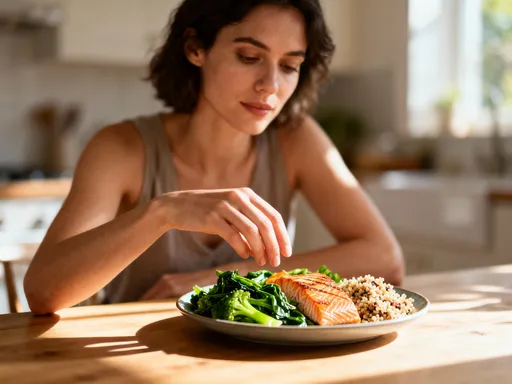
For meals, I focused on variety and balance. Breakfast often included oatmeal, Greek yogurt with fruit, or whole grain toast with avocado. Lunch was a large salad with beans or grilled chicken, or a leftover dinner. Dinner featured vegetables, a lean or plant-based protein, and a whole grain like quinoa or brown rice. I allowed myself treats—dark chocolate, a small piece of cake at a birthday—but planned them mindfully, not impulsively.
I scheduled movement throughout the week: a 30-minute walk five days, light strength training on two non-consecutive days, and stretching or yoga on weekends. I kept a small journal to note what I did each day—not to judge, but to stay aware. If I missed a walk, I didn’t punish myself. I just resumed the next day.
Mindset practices became part of my routine too. Five minutes of breathing in the morning, a screen curfew at 9 p.m., and a weekly reflection on what was going well and what needed adjustment. I also scheduled a follow-up blood test every three to six months to monitor progress—not obsessively, but to stay informed.
Most importantly, I stayed in touch with my doctor. This wasn’t a solo journey. I shared my efforts, asked questions, and welcomed feedback. She helped interpret my results and reminded me that progress isn’t always linear. Some months, my numbers improved. Others, they plateaued. But over time, the trend was positive.
This plan wasn’t about perfection. It was about showing up, making better choices more often than not, and being kind to myself when I slipped. Health isn’t built in a day—it’s built in the small decisions we make, again and again.
Final Thoughts: Small Steps, Big Impact
Lowering cholesterol isn’t a one-time event. It’s a lifelong practice—one that grows easier with time and awareness. My journey didn’t involve extreme diets, expensive supplements, or dramatic transformations. It was about making informed, sustainable choices that fit into real life.
The changes I made were small, but their impact was significant. I learned that health isn’t about fear or deprivation. It’s about respect—for your body, your time, and your well-being. It’s about choosing progress over perfection and consistency over intensity.
If you’re facing a similar wake-up call, know this: you’re not alone, and you don’t have to do everything at once. Start with one change. Swap one refined grain for a whole one. Take a 10-minute walk. Breathe deeply for five minutes. These actions may seem minor, but they send a powerful message to your body: I’m paying attention.
Always consult your healthcare provider. Work with them, not against them. Use their guidance to personalize your approach. And remember, real change lasts not because it’s perfect, but because it’s sustainable. Your heart—and your future self—will thank you.