Shutterbugs, This Is Why Bruges Should Be Your Next Photo Escape
Ever wandered through a city that feels like it’s frozen in time? Bruges, Belgium, is exactly that—a real-life postcard where cobblestone lanes, medieval spires, and golden light conspire to make every shot perfect. As a photographer chasing authentic cultural moments, I was blown away by how effortlessly this city blends history, art, and atmosphere. From centuries-old bell towers to quiet canals at dawn, Bruges isn’t just picturesque—it’s photogenic soul food. With its UNESCO World Heritage status, car-free historic center, and a rhythm of life that honors tradition, Bruges offers more than beautiful views—it invites deep visual storytelling. Whether you’re drawn to architectural grandeur, quiet spiritual spaces, or candid human moments, this Belgian gem delivers with elegance and grace.
The Timeless Allure of Bruges: Why It’s a Photographer’s Dream
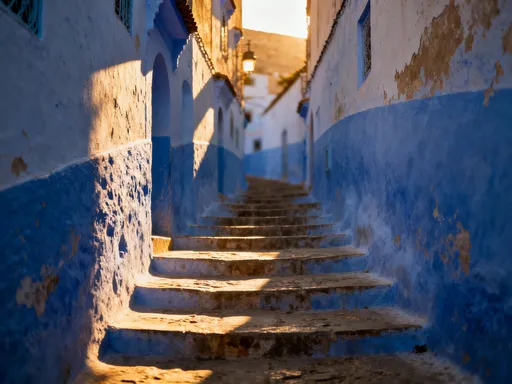
Bruges stands apart as one of Europe’s best-preserved medieval cities, a rare urban landscape where time seems to pause gracefully. Its historic center, untouched by modern high-rises or traffic congestion, unfolds like a hand-drawn map of narrow alleys, arched bridges, and weathered facades. This authenticity is not accidental—Bruges was designated a UNESCO World Heritage Site in 2000, recognizing its outstanding universal value and the meticulous efforts to maintain its architectural integrity. For photographers, this means walking into a living museum where every corner offers a composition waiting to be framed.
The city’s compact size enhances its photographic appeal. Most key sites are within a 20-minute walk of each other, allowing for slow, intentional exploration. Without the distraction of cars, the streets breathe with a calm rhythm, making it easier to observe and capture fleeting moments—a baker opening his shop, children laughing near a fountain, or sunlight glinting off wet cobblestones after a morning rain. The absence of vehicular noise also means silence lingers in unexpected places, adding depth to the sensory experience behind the lens.
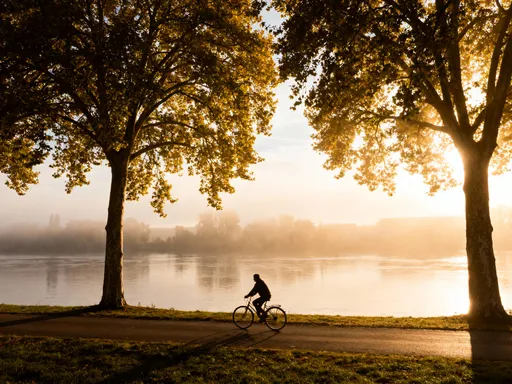
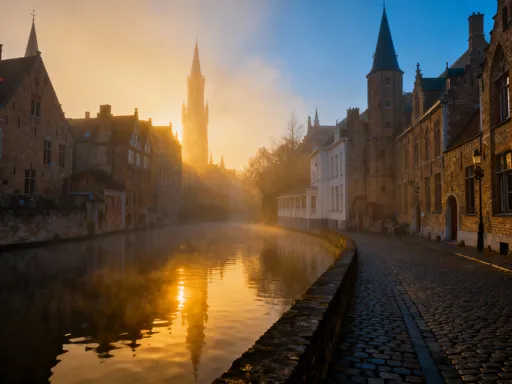
Natural light plays a pivotal role in shaping Bruges’ visual character. During early morning hours, especially in spring and autumn, a soft golden glow drapes over the red-tiled rooftops and limestone walls. This low-angle illumination enhances texture, bringing out the cracks in ancient brickwork and the delicate carvings on Gothic gables. At golden hour, the canals become mirrors, doubling the beauty of the skyline in shimmering reflections. Photographers who rise early are rewarded with mist rising from the waterways, creating an ethereal atmosphere that feels almost otherworldly. These natural conditions, combined with the city’s timeless architecture, create ideal settings for both wide-angle cityscapes and intimate detail shots.
Grote Markt: The Beating Heart of Culture and Capture
At the center of Bruges lies the Grote Markt, a vibrant square that pulses with energy and visual drama. Surrounded by ornate guildhalls painted in warm ochres, deep blues, and creamy whites, the space is anchored by the imposing Belfry Tower, its 83-meter spire piercing the sky. This is where history meets daily life—where tourists sip coffee at outdoor cafés, horse-drawn carriages clip-clop across the stones, and market stalls display local crafts and fresh produce. For photographers, the Grote Markt offers endless opportunities for dynamic compositions that blend architecture, movement, and human expression.
The Belfry itself is a powerful subject. Its asymmetrical silhouette—built in stages over centuries—tells a story of resilience and evolution. Capturing it from different angles reveals new layers: from the front, it commands attention with symmetry and grandeur; from the side, the tilt of the tower adds a sense of imperfection that feels deeply human. Early morning visits allow for cleaner shots, with fewer people crowding the frame. Waiting patiently near the base can yield compelling images of visitors craning their necks upward, their silhouettes framed against the stone façade.
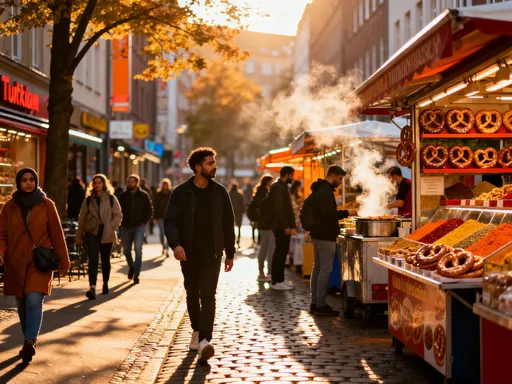
As the day progresses, the square fills with activity. Locals pass through on bicycles, vendors arrange their wares, and street performers draw small crowds. These candid moments are gold for documentary-style photography. Using a mid-range zoom lens allows for discreet observation, capturing genuine interactions without intrusion. The colorful market tents provide natural leading lines, while the contrast between historic buildings and modern life creates visual tension that tells a richer story. Timing is key—late afternoon brings softer shadows and warm sidelight, ideal for highlighting textures and facial expressions. By dusk, the square transforms again, with lights glowing in the windows and the tower illuminated against the twilight sky, offering a completely different mood for night photography.
The Basilica of the Holy Blood: A Portrait of Sacred Stillness
Nestled just off the Grote Markt, the Basilica of the Holy Blood offers a striking contrast to the bustle outside. Dating back to the 12th century, this Romanesque and Gothic church houses what is believed to be a relic of Christ’s blood, drawing pilgrims and quiet contemplatives for centuries. Inside, the atmosphere shifts dramatically—hushed voices, flickering candles, and dim lighting create a space of reverence and introspection. For photographers, this presents a unique challenge: how to capture the spiritual essence of a place while respecting its sacred nature.
The interior is rich with detail. Ornate altars gleam under soft illumination, gilded woodwork catches stray beams of light, and stained-glass windows filter daylight into pools of color on the stone floor. The Chapel of the Holy Blood, accessed by a narrow staircase, is particularly evocative, with its heavy drapes, antique reliquary, and centuries-old frescoes. Because flash photography is prohibited, photographers must rely on high ISO settings, wide apertures, and steady hands or tripods where permitted. A 50mm prime lens works exceptionally well here, offering sharpness and low-light performance without drawing undue attention.
Photographing people in such spaces requires sensitivity. Many visitors kneel in prayer or stand in silent reflection, their postures conveying deep emotion. Capturing these moments discreetly—with a longer focal length and minimal movement—can result in powerful, intimate images that speak to faith, solitude, and continuity. The key is to blend into the background, observing rather than interrupting. These photographs are not about spectacle; they are about presence. The basilica reminds us that some of the most compelling images arise not from grand vistas, but from stillness, shadow, and the quiet dignity of human experience.
Groeninge Museum: Where Art Meets Lens
For photographers interested in the dialogue between art and observation, the Groeninge Museum is an essential stop. Housed in a series of connected historic buildings, this gallery showcases one of Belgium’s finest collections of Flemish Primitive paintings, including masterpieces by Jan van Eyck, Hans Memling, and Gerard David. Walking through its corridors is like stepping into the very soul of Northern Renaissance art—detailed, luminous, and deeply human. While photography inside museum galleries is often restricted, many areas allow non-flash photography, offering opportunities to reflect on how classical composition influences modern visual storytelling.
The museum’s architecture itself is a study in light and space. Modern renovations have introduced skylights and open-plan layouts that flood the interiors with natural illumination, enhancing the viewing experience and creating beautiful interplay between old and new. Photographers can capture the way light falls across a 15th-century Madonna, highlighting the delicate brushwork and symbolic details. Reflections in glass cases add another layer of complexity, inviting creative framing that juxtaposes the viewer, the artwork, and the surrounding space.
Equally compelling are the images of visitors engaging with the art. An elderly couple pausing before a van Eyck panel, a child marveling at a medieval triptych, or a student sketching in a notebook—these moments reveal how art continues to move people across generations. Shooting on weekdays ensures fewer crowds, allowing for more focused compositions. A telephoto lens can isolate these quiet interactions, turning them into visual essays on connection, curiosity, and cultural continuity. The Groeninge Museum does more than preserve paintings—it becomes a living canvas where past and present converge through the lens.
Canal Reflections: Shooting Bruges from the Water’s Edge
No image of Bruges is complete without the canals. Often compared to Venice, though quieter and more intimate, the city’s waterways wind through the heart of the old town, reflecting gabled houses, swaying trees, and drifting clouds. These mirrored surfaces offer photographers one of the most poetic tools in their arsenal: symmetry. A perfectly still canal doubles the world above, creating balanced, dreamlike compositions that feel both real and surreal.
One of the best stretches for canal photography lies near the Minnewater, also known as the Lake of Love. Here, willow trees dip into the water, their leaves trailing like brushstrokes on a canvas. Early morning is the optimal time—fog often hovers just above the surface, softening edges and adding mystery. Using a polarizing filter can help manage glare and deepen the contrast between water and sky, especially on brighter days. A tripod ensures sharpness in long exposures, allowing for silky smooth water effects when there’s a gentle ripple.
Several small bridges span the canals, each offering a unique vantage point. The Oude Brug (Old Bridge) and the Bonifacius Bridge are particularly photogenic, with their stone railings and arched profiles framing the view. Crouching low near the water’s edge can produce immersive shots where the reflection dominates the frame. While boat tours are available and provide a different perspective, they limit control over timing and positioning. For serious photographers, walking the towpaths at dawn offers greater flexibility and solitude. The absence of crowds allows for patience—waiting for a swan to glide into place, for a single leaf to float by, or for the first light to strike a windowsill. These small moments, when captured, become the soul of a photograph.
Hidden Courtyards and Craft Studios: Off-the-Radar Cultural Gems
Beyond the main attractions lie Bruges’ quieter treasures—places where time slows even further. The Begijnhof, a 13th-century courtyard complex originally built for a community of lay religious women, is one such sanctuary. Surrounded by a high brick wall, it opens into a peaceful garden shaded by tall lime trees, with rows of whitewashed houses lining the perimeter. The atmosphere is one of serene order, a haven of calm within the city. Photography here feels like eavesdropping on centuries of quiet devotion.
The uniformity of the buildings, their simple lines and muted colors, creates a minimalist aesthetic that rewards careful composition. Shooting from the center of the courtyard, with the cruciform path leading to a central chapel, produces strong geometric patterns. Morning light filters through the canopy, casting dappled shadows on the gravel paths. Because the Begijnhof is still partially inhabited, discretion is essential. Many residents are elderly women who value privacy, so photographers should avoid close-ups or intrusive angles. Instead, focus on the architecture, the garden’s seasonal changes, or the play of light and shadow.
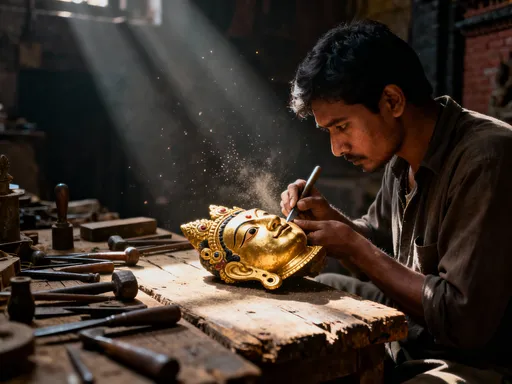
Nearby, small artisan studios offer another window into Bruges’ living culture. Lace-making, once a widespread tradition among Flemish women, is still practiced by a few dedicated craftswomen. In quiet workshops, hands move with precision over bobbins, creating intricate patterns thread by thread. Capturing this process requires permission and patience, but when allowed, it results in deeply authentic images. The concentration on a craftswoman’s face, the delicate lace unfurling like snow, the tools arranged with care—these details tell a story of heritage, skill, and quiet pride. These are not staged scenes but real moments of cultural preservation, worthy of both respect and documentation.
Putting It All Together: Crafting a Visual Story of Bruges
Photographing Bruges is not just about collecting beautiful images—it’s about weaving a narrative. A compelling visual story balances scale and intimacy, movement and stillness, grandeur and detail. Start with wide-angle shots of the Grote Markt or the canals at sunrise to establish place. Then move in closer: a weathered door knocker, a basket of flowers in a window, a child’s hand holding a parent’s. Include human elements where appropriate—street musicians, artisans, pilgrims—to ground the story in lived experience.
Editing plays a crucial role in maintaining coherence. Given Bruges’ warm, historic tone, a color grading approach that emphasizes soft golds, earthy browns, and cool blues in the shadows can enhance the timeless feel. Avoid over-saturation; subtlety preserves authenticity. Black-and-white conversions work well for low-light interiors or misty canal scenes, emphasizing texture and mood over color. The goal is not to alter reality, but to honor the city’s essence through thoughtful post-processing.
Ultimately, photographing Bruges deepens the act of travel. It shifts the experience from passive sightseeing to active engagement. Each frame becomes a moment of attention, a decision to see deeply. Through the lens, we notice more—the way light changes over an hour, how a building’s character shifts with the weather, how people interact with their environment. This heightened awareness fosters connection, not just to the city, but to the universal human desire to create, preserve, and belong.
Bruges invites us to slow down, to look closely, and to find beauty in the enduring. It is not a destination to rush through, but a living gallery to be explored with reverence and curiosity. For shutterbugs seeking meaning as much as mastery, this medieval jewel offers more than perfect shots—it offers a chance to see the world, and ourselves, a little more clearly. Pick up your camera, step onto the cobbles, and let Bruges unfold before you, one frame at a time.