You Gotta See Bordeaux’s Wild Side – This Is Next-Level Nature
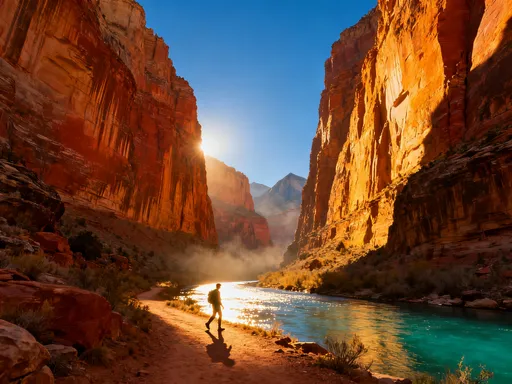
When you think of Bordeaux, vineyards probably come to mind—but wait until you see its wilder side. I was blown away by how much untouched nature hides just beyond the city. From misty riverbanks to secret forest trails, Bordeaux isn’t just about wine. It’s a gateway to serene landscapes that feel worlds away. Trust me, if you're craving fresh air and real beauty, this is your next must-visit. The region’s natural charm extends far beyond its world-famous châteaux and tasting rooms, offering peaceful retreats where the rhythm of life slows down and the sounds of birds replace city noise. Whether you're a seasoned traveler or simply seeking a refreshing escape, Bordeaux’s wild landscapes promise both wonder and well-being.
Beyond the Vines: Rediscovering Bordeaux’s Natural Heart
Bordeaux is globally celebrated for its vineyards, where neatly pruned rows of grapevines stretch across sun-drenched hillsides, producing some of the finest wines in the world. Yet, beyond these cultivated fields lies a quieter, wilder truth—one that reveals the region’s deep connection to nature in its purest form. While tourists flock to wine estates for tastings and tours, fewer realize that just a short distance from the city center, vast forests, meandering rivers, and coastal wetlands offer a different kind of luxury: the luxury of stillness, space, and natural beauty. This hidden side of Bordeaux remains refreshingly unspoiled, preserved through thoughtful conservation efforts and a growing awareness of ecological balance.
The contrast between Bordeaux’s polished urban identity and its untamed surroundings is striking. Within minutes of leaving the city, travelers can find themselves walking beneath towering pine canopies, listening to the rustle of reeds along tidal marshes, or watching herons glide over calm lake waters. These landscapes are not just scenic backdrops—they are living ecosystems that support diverse plant and animal life, including protected species like the European otter and the marsh harrier. The region’s commitment to preserving green corridors and natural reserves ensures that nature continues to thrive alongside human activity, creating a harmonious coexistence that enhances both environmental health and quality of life.
What makes this natural heart so special is its accessibility. You don’t need to be an experienced hiker or own a car to experience it. Public transportation, bike rentals, and well-marked trails make it easy for families, solo travelers, and older adults to explore at their own pace. Whether you're strolling through a city park or venturing into a coastal forest, the sense of immersion in nature is immediate and profound. This duality—world-renowned culture paired with abundant wilderness—is what sets Bordeaux apart as a destination that nourishes both the mind and the soul.
The Garonne River: Bordeaux’s Flowing Lifeline
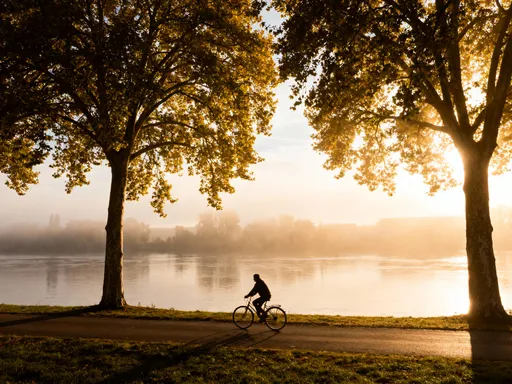
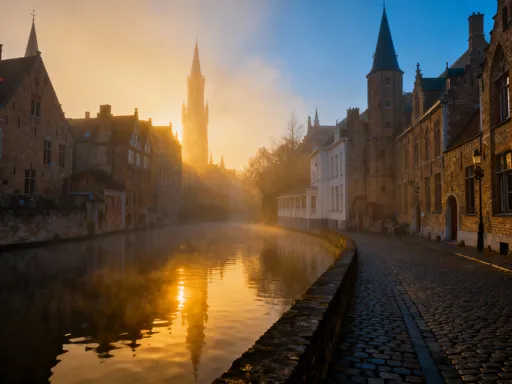
The Garonne River is more than just a geographic feature—it is the lifeblood of Bordeaux, shaping the region’s history, ecology, and daily rhythms. Flowing from the Pyrenees all the way to the Atlantic Ocean, this powerful waterway has long served as a conduit for trade, travel, and agriculture. Today, it also plays a vital role in supporting biodiversity and offering residents and visitors a peaceful retreat from urban life. Lined with tree-shaded promenades and dotted with small parks, the riverbanks provide an inviting space for walking, cycling, and quiet reflection. As morning mist rises off the water and sunlight filters through the plane trees, the atmosphere feels both timeless and rejuvenating.
Ecologically, the Garonne sustains a network of wetlands and floodplains that serve as crucial habitats for birds, fish, and amphibians. Kingfishers dart above the surface, while cormorants dry their wings on wooden posts, and egrets stalk the shallows in search of food. Along the river’s edge, reed beds and aquatic plants help filter water and stabilize the banks, contributing to the overall health of the ecosystem. These natural processes happen quietly but are essential to maintaining the balance between urban development and environmental resilience. Recognizing this, local authorities have implemented measures to protect riparian zones and limit industrial runoff, ensuring that the river remains a clean and vibrant resource for generations to come.
For those looking to engage more actively with the river, kayaking and stand-up paddleboarding have become increasingly popular. Guided tours offer safe and informative ways to explore the water, especially for beginners. Paddling gently downstream, you gain a unique perspective of the city—its bridges, historic quays, and riverside cafes appear from a completely new angle. Even without getting on the water, the riverside paths are perfect for a leisurely walk or bike ride. The Quai des Marques and Parc des Rives du Lac are particularly welcoming, with benches, picnic areas, and children’s play zones that make them ideal for family outings. As the sun sets and the city lights begin to shimmer on the water, the Garonne transforms into a place of quiet magic.
Parc Bordelais: A Green Escape Within the City
Just a short walk from residential neighborhoods in northern Bordeaux, Parc Bordelais offers a surprising expanse of greenery that feels far removed from city life. Spanning over 100 hectares, this beautifully maintained park combines formal gardens with wilder woodlands, tranquil lakes, and open meadows. It’s a favorite among locals who come here to jog, walk their dogs, practice yoga, or simply sit and read beneath the shade of century-old trees. The park’s layout encourages exploration, with winding paths that lead visitors past ornamental fountains, duck-filled ponds, and hidden clearings where sunlight dances through the leaves. For families, there’s a dedicated children’s farm and playground, making it a perfect spot for a relaxed day outdoors.
One of the most enchanting aspects of Parc Bordelais is how it changes with the seasons. In spring, cherry blossoms bloom along the alleys, and daffodils carpet the grassy slopes in golden waves. Summer brings lush greenery and the gentle hum of bees among the flower beds. Autumn paints the landscape in warm hues of amber and crimson, with fallen leaves drifting across the lake’s surface like delicate brushstrokes. Even in winter, the park retains its charm, with frost-kissed branches and quiet pathways that invite contemplative walks. The central lake, home to swans, turtles, and various waterfowl, reflects the sky and surrounding trees, creating moments of serene beauty that feel almost meditative.
What makes Parc Bordelais especially valuable is its role as an urban sanctuary. In a world where cities grow denser and noisier, green spaces like this one are essential for mental and physical well-being. Studies have shown that spending time in nature reduces stress, improves mood, and enhances cognitive function—all benefits that are easily accessible here. The park is fully accessible, with paved and gravel paths suitable for strollers and wheelchairs, and public restrooms and refreshment kiosks are conveniently located. Whether you’re visiting for a morning tai chi session or an afternoon picnic with loved ones, Parc Bordelais offers a gentle reminder that nature doesn’t have to be far away to be meaningful.
The Banc d’Arguin: A Coastal Secret Near Arcachon
About an hour’s drive southwest of Bordeaux lies one of the region’s best-kept natural treasures: the Banc d’Arguin. Nestled along the Atlantic coast near the charming town of Arcachon, this protected nature reserve stretches across a narrow strip of land between the sea and a vast lagoon. Known for its shifting sandbanks, salt marshes, and rich birdlife, the Banc d’Arguin feels like a world apart—a place where time slows and the elements shape the landscape daily. Designated as a Natura 2000 site, it plays a critical role in preserving biodiversity, particularly for migratory birds that rely on its wetlands as a resting and feeding ground during their long journeys.
Hiking trails wind through the dunes and pine forests, offering visitors a chance to observe nature up close while minimizing impact. Wooden boardwalks guide walkers over sensitive areas, protecting fragile vegetation and nesting sites. As you walk, you might spot oystercatchers probing the mudflats, avocets with their upturned bills, or even a rare egret scanning the water. The air carries the scent of salt and pine, and the only sounds are the wind, the waves, and the distant cry of gulls. At low tide, the exposed flats reveal intricate patterns of water channels and ripple marks, creating a natural artwork that changes with each passing hour.
Responsible visitation is key to preserving the Banc d’Arguin’s delicate ecosystem. Visitors are encouraged to stay on marked paths, avoid disturbing wildlife, and carry out all waste. Dogs must be kept on leashes, and camping or fires are strictly prohibited. These rules may seem restrictive, but they ensure that the reserve remains a haven for both animals and those who come to appreciate its quiet beauty. For families, a visit here can be both educational and inspiring, offering children a firsthand look at coastal ecology and the importance of conservation. With its unspoiled scenery and peaceful atmosphere, the Banc d’Arguin stands as a testament to what happens when nature is respected and protected.
Lac de Cazaux et de Sanguinet: Hidden Gem of the Landes Forest
Deep within the Landes de Gascogne forest, about 50 kilometers south of Bordeaux, lies Lac de Cazaux et de Sanguinet—one of the largest freshwater lakes in southwestern France. Surrounded by dense pine forests and rolling dunes, this expansive body of water offers a refreshing alternative to crowded coastal resorts. With over 12 kilometers of shoreline, the lake supports a range of activities, from swimming and paddleboarding to fishing and lakeside camping. Unlike busier tourist destinations, this area maintains a laid-back, family-friendly atmosphere where relaxation takes precedence over commercial attractions.
The lake’s clear waters are ideal for swimming, with several designated zones marked for safety. Sandy beaches, shaded by tall pines, provide comfortable spots for sunbathing and picnics. For those seeking gentle movement, kayaking and stand-up paddleboarding allow for a peaceful exploration of the lake’s quieter corners, where dragonflies skim the surface and kingfishers flash by in electric blue streaks. Cycling paths encircle parts of the lake, connecting small villages and campgrounds, making it easy to spend a full day outdoors without ever needing a car. Local rental shops offer equipment for all skill levels, and guided eco-tours are available for those interested in learning more about the local flora and fauna.
What truly distinguishes Lac de Cazaux et de Sanguinet is its integration into the surrounding forest ecosystem. The Landes de Gascogne, once a marshland transformed by 19th-century afforestation, is now a thriving woodland that supports diverse wildlife, including deer, wild boar, and numerous bird species. The forest acts as a natural filter, helping maintain the lake’s water quality, while its canopy provides shade and reduces evaporation. Walking trails like the Sentier du Littoral take visitors through fragrant pine groves and past small ponds teeming with frogs and newts. In summer, the scent of resin fills the air, and the soft crunch of pine needles underfoot adds to the sensory experience of being immersed in nature.
For overnight stays, the area offers a variety of eco-conscious accommodations, from family-run campsites to rustic cabins tucked among the trees. These options emphasize sustainability, with composting toilets, solar power, and waste reduction practices. Waking up to the sound of birdsong and the soft light of dawn filtering through the pines creates a deeply restorative experience—one that reconnects visitors with the natural rhythms of life. Whether you stay for a day or a week, Lac de Cazaux et de Sanguinet offers a rare blend of beauty, tranquility, and accessibility that makes it a standout destination in the Bordeaux region.
Practical Tips for Exploring Bordeaux’s Natural Landscapes
Exploring Bordeaux’s natural wonders doesn’t require extensive planning or a car. Public transportation, bike-sharing programs, and regional shuttle services make it easier than ever to access these beautiful spaces. The TransGironde and Transdev bus networks connect Bordeaux to nearby towns and natural sites, including Arcachon and the edge of the Landes forest. For shorter trips, the VCub bike rental system offers affordable, eco-friendly mobility throughout the city and along riverside paths. Many parks and trails are also within walking distance of residential areas, making spontaneous outings both convenient and enjoyable.
When planning your visit, consider the season and time of day. Spring and early autumn offer mild temperatures and fewer crowds, making them ideal for hiking and birdwatching. Mornings are particularly pleasant, with cooler air and soft light that enhances photography and wildlife observation. Always pack essentials: comfortable walking shoes, a reusable water bottle, sunscreen, and a light rain jacket, as coastal and forest areas can be damp even on sunny days. Bringing binoculars or a nature guidebook can enrich your experience, especially in bird-rich zones like the Banc d’Arguin or along the Garonne.
Respecting the environment is just as important as enjoying it. Stick to marked trails to protect plant life and prevent erosion. Avoid picking flowers or disturbing animals, and always carry out any trash. Many natural areas have strict rules about dogs, fires, and camping—following these guidelines helps preserve the beauty and safety of these spaces for everyone. Additionally, supporting local eco-tourism initiatives, such as guided nature walks or sustainable cafes near parks, contributes to the long-term health of the region’s ecosystems. With thoughtful preparation and mindful behavior, your visit can be both rewarding and responsible.
Why Nature Matters in the Bordeaux Experience
While Bordeaux’s wine culture is undeniably captivating, the region’s natural landscapes offer something equally profound: a chance to slow down, breathe deeply, and reconnect with the earth. These wild spaces do more than provide scenic views—they nourish the spirit, restore energy, and deepen our appreciation for the world around us. In a time when life often feels rushed and digital, stepping into a forest, walking beside a river, or watching the sunrise over a lake becomes an act of renewal. The sensory richness of nature—the smell of damp soil, the sound of wind in the trees, the feel of sunlight on your skin—engages us in a way that no museum or tasting room ever could.
For families, these experiences create lasting memories. Children learn by doing, and there’s no better classroom than a pine forest or a tidal flat. They develop curiosity, respect for living things, and a sense of wonder that stays with them. For adults, especially those balancing work and caregiving responsibilities, time in nature offers a rare opportunity to unplug and recharge. The quiet beauty of Parc Bordelais, the rhythmic waves at the Banc d’Arguin, or the stillness of Lac de Cazaux—each place offers its own form of healing.
Choosing to explore Bordeaux’s wild side is not just about seeing more of the region—it’s about feeling more, too. It’s about understanding that travel is not only about consumption but also about connection. When we step off the beaten path and into the natural world, we don’t just visit a place—we become part of it, even if only for a moment. And in that moment, we find balance, clarity, and joy. So next time you plan a trip to Bordeaux, go beyond the vines. Let the rivers guide you, the forests embrace you, and the wild beauty of this region remind you what truly matters.