You Gotta Experience Aarhus’ Festival Vibe – This Is Next-Level Fun
Aarhus, Denmark, isn’t just a pretty city with cobbled streets and cozy cafés—its festival scene will blow your mind. I’ve been to half a dozen European cities during summer, but nothing compares to the energy here. From open-air concerts in the park to street performers lighting up the harbor, every corner pulses with life. If you're craving authentic, lively, and unforgettable moments, Aarhus’ festival magic is a must-see. Let me show you why this coastal gem should be your next go-to destination.
Why Aarhus Stands Out in Scandinavia’s Festival Scene
Aarhus has quietly become the cultural heartbeat of Denmark, a title earned not through grand declarations but through consistent, community-driven creativity. As the country’s second-largest city, it strikes a rare balance between urban energy and small-town warmth. Unlike Copenhagen, which draws global attention and large tourist crowds, Aarhus offers a more intimate festival experience—one where locals aren’t just attendees but active creators. This authenticity is palpable in the way festivals unfold organically across neighborhoods, often in collaboration with artists, universities, and independent collectives.
The city’s passion for the arts runs deep. With institutions like the Aarhus Theatre, Musikhuset Aarhus, and the renowned School of Architecture shaping its cultural landscape, artistic expression is woven into everyday life. This foundation supports a year-round calendar of events that go beyond mere entertainment—they reflect a way of living. Festivals here aren’t imported concepts or commercial spectacles; they grow naturally from local interests, seasonal rhythms, and communal pride. Whether it’s a poetry reading under string lights or a spontaneous brass band marching through the Latin Quarter, the city breathes creativity.
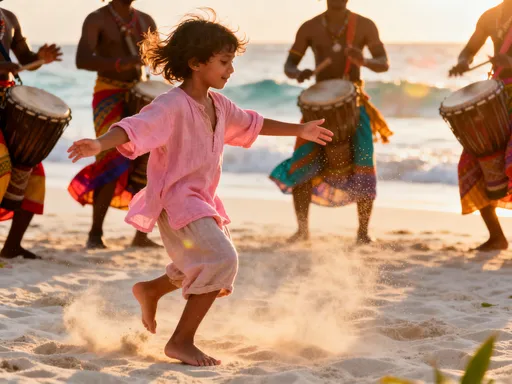
Compared to other Nordic capitals, Aarhus stands apart in both scale and spirit. While cities like Oslo and Helsinki host impressive festivals, they often feel more curated and formal. In Aarhus, the vibe is refreshingly unpolished. There’s less emphasis on celebrity headliners and VIP zones, and more on shared participation. Families picnic on blankets during outdoor concerts, teenagers dance barefoot on wooden stages, and elders cheer from benches near the canal. This inclusivity creates a welcoming atmosphere, especially for solo travelers and older women who seek meaningful connection without pretense. It’s not about being seen—it’s about being present.
Spotlight on Aarhus Festuge: The City’s Crown Jewel
Every two years, Aarhus transforms into a living stage during Aarhus Festuge, the city’s most celebrated cultural festival. Spanning ten days in late August or early September, this biennial event draws tens of thousands from across Denmark and beyond. What sets it apart is its sheer diversity—over 200 activities ranging from large-scale performances to intimate workshops. The festival isn’t confined to theaters or designated zones; it spills into parks, plazas, and even backyards, turning the entire city into a dynamic playground of sound, color, and movement.
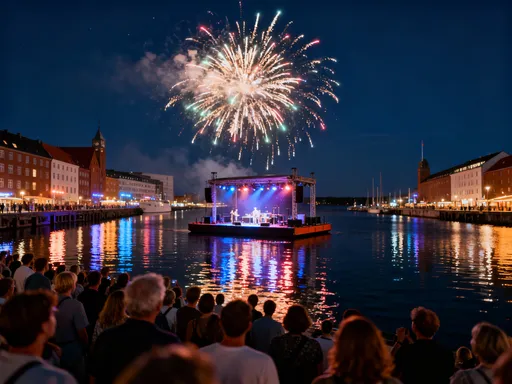
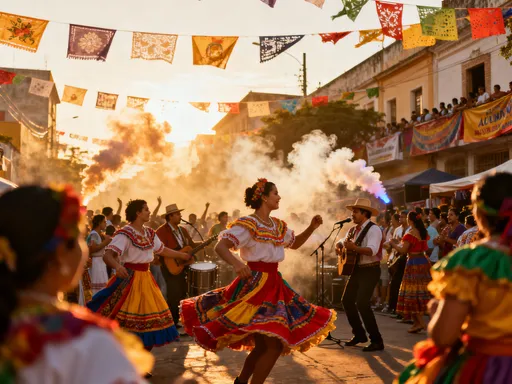
One of the most unforgettable moments is the opening night parade, a kaleidoscopic procession that begins at the historic Domkirke (Cathedral) and winds through the city center toward the harbor. Giant puppets, illuminated floats, drumming troupes, and dancers in fantastical costumes fill the streets, while fireworks burst above the water. The energy is electric—children ride on parents’ shoulders, strangers exchange smiles, and the air hums with anticipation. It’s not just a show; it’s a collective release of joy, marking the peak of summer’s end with shared celebration.
Throughout the festival, pop-up stages appear in unexpected places: a jazz trio in a quiet courtyard, a folk singer on a floating platform in the harbor, a choir performing acoustically beneath a railway arch. The harbor itself becomes a focal point, with light installations reflecting off the water and food markets lining the docks. One standout feature is the ‘Lysfest’ (Light Festival), where artists use projection mapping, neon sculptures, and interactive displays to turn buildings into canvases. Watching the old warehouse district glow with animated patterns feels like stepping into a dream.
Having attended the opening night myself, I can say the sensory impact is overwhelming—in the best way. The combination of music echoing across rooftops, the scent of grilled sausages and mulled wine in the air, and the sight of thousands moving together through the streets creates a rare sense of unity. Unlike festivals that feel transactional, Aarhus Festuge radiates generosity. Most events are free or low-cost, ensuring accessibility for all. It’s not about exclusivity; it’s about inclusion, and that spirit makes all the difference.
Beyond the Main Event: Year-Round Festival Experiences
While Aarhus Festuge is the crown jewel, the city’s festival calendar remains vibrant throughout the year. Music lovers especially will find plenty to celebrate, starting with NorthSide Festival, a three-day indie and rock event held each June at the old airport grounds. Known for its eco-conscious ethos and carefully curated lineup, NorthSide attracts both Danish and international acts. The atmosphere is relaxed and family-friendly, with camping options, craft beer gardens, and wellness zones offering yoga and mindfulness sessions. It’s a perfect example of how Danish festivals blend fun with balance.
Just weeks later, the Aarhus Jazz Festival takes over the city in July, transforming cafés, churches, and outdoor plazas into intimate performance spaces. What makes this event special is its focus on discovery—emerging artists share stages with seasoned musicians, and genres blend freely. You might hear a Scandinavian jazz quartet interpreting Brazilian rhythms one evening, then a soulful vocal performance in a candlelit chapel the next. The programming is thoughtful, and the venues are walkable, making it easy to explore multiple acts in a single day.
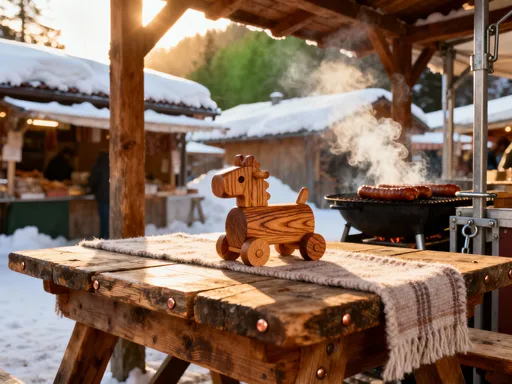
Seasonal festivals add another layer of charm. In winter, the city embraces the darkness with events like ‘Winter in the City,’ where glowing installations, ice sculptures, and warm drink stands create pockets of coziness amid the cold. The Christmas markets at Store Torv and around the cathedral offer handmade crafts, cinnamon stars, and hot gløgg, all under twinkling lights. These gatherings aren’t just for tourists—they’re where locals reconnect, wrapping scarves tight and laughing in the frosty air.
In spring, the city blooms literally and figuratively. The Aarhus Spring Art Walk invites visitors to explore open studios, street art, and pop-up galleries across the city. Artists welcome guests into their workspaces, offering insights into their creative process. It’s not uncommon to leave with a small painting, a handmade ceramic, or simply a new friend. These smaller festivals may not make international headlines, but they capture the essence of Aarhus: creative, grounded, and deeply human.
How to Plan Your Visit Around Festival Dates
Timing your trip to coincide with a major festival can elevate your experience, but it requires thoughtful planning. Aarhus Festuge, being biennial, occurs in odd-numbered years, so checking the official website well in advance is essential. For music-focused travelers, June and July offer the best overlap with NorthSide and the Jazz Festival. Booking accommodations six to eight months ahead is wise, especially if you plan to stay in the city center near landmarks like the Old Town (Den Gamle By) or the ARoS Art Museum.
When it comes to transportation, Aarhus is one of the most walkable and bike-friendly cities in Europe. The compact layout means most festival venues are within 20 to 30 minutes on foot from the central train station. Bike rentals are widely available and offer a scenic way to explore—many locals use them year-round, even in light rain. Public buses are reliable and well-marked in English, with real-time updates via the Midttrafik app. If you’re arriving from Copenhagen, the train ride takes about three hours and offers beautiful coastal views, making it part of the journey rather than just transit.
Accommodation options vary from boutique hotels in the Latin Quarter to modern apartments near the harbor. For a more local feel, consider staying in neighborhoods like Trøjborg or Frederiksbjerg, where you’ll find charming cafes and fewer tourists. Airbnb rentals are plentiful and often include kitchenettes, ideal for preparing simple meals between long festival days. While central hotels offer convenience, nearby areas provide better value and a quieter retreat after evenings filled with music and lights.
One insider tip: avoid renting a car unless you plan to explore rural Jutland. Parking in the city is limited and expensive, and most festival-goers rely on walking, biking, or public transit. If you do arrive by car, park at the P-hus Vest or P-hus Øst garages, which offer secure, covered spaces within walking distance of key areas. Planning your stay with mobility in mind ensures you spend less time navigating and more time enjoying.
Must-Try Local Flavors at Festival Food Stalls
No festival experience is complete without savoring the local cuisine, and Aarhus delivers with a mix of tradition and innovation. Danish street food has evolved far beyond smørrebrød on rye, though you’ll still find excellent versions—now served as mini sliders with toppings like pickled herring, roasted beetroot, and dill crème fraîche. These handheld bites are perfect for eating on the move between performances. Look for stalls run by ‘Smag i Midten,’ a collective of local food entrepreneurs who prioritize fresh, seasonal ingredients.
Another highlight is craft schnapps, often infused with herbs, berries, or even seaweed. While traditionally strong, many vendors now offer smaller tasting portions, allowing visitors to sample without overindulging. Paired with pickled vegetables or smoked fish, it’s a bold but authentic taste of Danish flavor. For non-drinkers, fresh-pressed juices, lingonberry sodas, and organic apple ciders are widely available, often served in reusable cups to reduce waste.
Sustainability is a core value at Aarhus festivals, and this extends to food vendors. Many stalls use compostable packaging and source ingredients from nearby farms. You’ll see labels like ‘Øko’ (organic) and ‘Lokalt dyrket’ (locally grown) proudly displayed. Some vendors even partner with food rescue programs, ensuring surplus meals go to community kitchens. This ethical approach adds depth to the dining experience, letting you enjoy your meal with a clear conscience.
Coffee culture is also central to the festival rhythm. Between shows, locals and visitors alike pause at pop-up kiosks for expertly brewed pour-overs or creamy flat whites. Brands like Coffee Collective and Espresso House have a strong presence, but don’t overlook the smaller mobile bars run by barista collectives. A warm cup in hand becomes a moment of calm, a chance to sit on a bench, people-watch, and recharge. For those with a sweet tooth, try ‘kanelsnegle’ (cinnamon snails) or ‘rødgrød med fløde’ (red berry pudding with cream)—comforting treats that taste like home.
Hidden Gems Near Festival Hotspots
With so much energy pulsing through the city during festivals, finding quiet moments is essential for balance—especially for travelers who appreciate reflection and natural beauty. Aarhus offers several peaceful retreats within easy reach of the main action. The Botanical Garden, located just behind the university, is a serene oasis with winding paths, fragrant herbs, and a historic greenhouse. Even during peak festival days, it remains a sanctuary where you can pause, breathe, and listen to birdsong above the city’s hum.
Another must-visit is the rooftop of the ARoS Art Museum, home to the famous ‘Your Rainbow Panorama’ installation. Walking through the circular glass corridor offers a 360-degree view of the city and sea, painted in shifting hues of light. It’s especially magical at sunset, when the sky melts into gold and pink. The museum itself hosts contemporary exhibitions, but even if you don’t go inside, the rooftop is worth the small admission fee. It’s a place to gather your thoughts and appreciate the beauty of perspective—both literal and metaphorical.
Along the harbor, quieter corners await just steps from the busiest festival zones. Head west toward Tangkrogen or east to the Marselisborg Yacht Harbour, where benches overlook calm waters and sailboats rock gently. These spots are perfect for journaling, sketching, or simply watching the world go by. You might even strike up a conversation with a local artist setting up an easel or a fisherman mending his nets.
Some of the most memorable moments happen spontaneously—joining a small dance circle in a side street, receiving a handmade flower crown from a performer, or sharing a laugh with strangers during a silent disco. These unplanned interactions are part of Aarhus’ charm. The city encourages openness, and its festivals are designed not just for watching, but for joining. Yet, it also respects the need for stillness. This balance—between celebration and calm, connection and solitude—is what makes the experience so nourishing.
Making the Most of Your Festival Experience – Pro Tips
To fully enjoy Aarhus’ festival season, a little preparation goes a long way. Start with your wardrobe: Scandinavian weather is famously unpredictable, even in summer. Mornings may be sunny, but clouds can roll in fast, bringing cool winds or light rain. Packing layers—light sweaters, a waterproof jacket, and a compact umbrella—is essential. Comfortable, broken-in shoes are non-negotiable; you’ll likely walk 10,000 steps a day navigating between stages, markets, and hidden corners.
The official Aarhus Festival app is a game-changer. Available in English, it provides real-time schedules, interactive maps, and notifications about last-minute changes or surprise performances. You can bookmark your favorite events, set reminders, and even see stage capacities to avoid overcrowded areas. Many locals use it, so downloading it helps you move through the city like a resident rather than a tourist. Pair it with offline maps on your phone, and you’ll never feel lost.
Engaging with Danes can enrich your experience, even if you don’t speak Danish. A simple ‘Tak’ (thank you) or ‘Undskyld’ (excuse me) goes a long way. Danes are generally reserved but warm once approached with kindness. Smiles are currency here. Don’t hesitate to ask questions at food stalls or compliment a performer—their eyes will light up. Embracing hygge isn’t just about candles and cozy blankets; it’s about creating warmth in shared moments, even in a crowd.
Finally, allow yourself to be present. Put your phone down during performances, savor each bite of food, and say yes to invitations—even if they’re outside your comfort zone. Dance at a street party. Try a new flavor. Sit beside someone on a bench and strike up a conversation. Aarhus festivals aren’t just about what you see; they’re about how you feel. And for many women in their 30s to 50s—juggling roles, responsibilities, and the quiet longing for joy—this city offers something rare: permission to play, to connect, and to belong.
Festival life in Aarhus is more than entertainment—it’s a celebration of community, creativity, and connection. Unlike flashy, overcrowded events elsewhere, Aarhus keeps it real, warm, and wonderfully human. Whether you come for the music, the food, or just the feeling of being somewhere alive with joy, you’ll leave with memories that linger long after the final encore. This isn’t just travel—it’s belonging.