This Is What Happens When Festival Culture Meets Island Life in Maldives
You know that feeling when you stumble upon something completely unexpected? Maafushi isn’t just turquoise waters and Instagram sunsets—it’s alive with rhythm, color, and tradition. I went for the beaches but stayed for the festivals, where local culture pulses through dance, food, and community. This island delivers authentic moments most travelers never see. If you think the Maldives is only resorts and relaxation, think again—this side of paradise will blow your mind. Beyond the overwater bungalows and curated dive excursions lies a different kind of magic: one rooted in shared celebration, generational customs, and the quiet pride of a community that welcomes visitors without losing itself. In Maafushi, festivals are not performances—they are life unfolding as it has for generations, with drumbeats echoing across coral stone homes and laughter rising from communal feasts under starlit skies. This is travel that touches the soul, where beauty is not just seen but felt, heard, and honored.
Beyond the Postcard: Discovering Maafushi’s True Pulse
Maafushi, a small island in the Kaafu Atoll, is often listed among the top destinations for budget-conscious travelers seeking a taste of the Maldives beyond luxury resorts. While many arrive drawn by its powdery white shores and clear lagoons perfect for snorkeling, those who linger begin to notice another layer beneath the surface—one defined not by postcard views but by the steady rhythm of daily island life. Unlike private resort islands where culture is often curated for guest consumption, Maafushi remains a living, breathing community where locals go about their routines with quiet dignity and warmth. Walking through its narrow lanes, you’ll pass brightly painted homes, children cycling to school, and fishermen mending nets under shaded verandas. The scent of curry leaves and coconut oil drifts from open kitchen windows, and the call to prayer blends with the distant thud of a bodu beru drum being tuned for an evening gathering.
What makes Maafushi truly distinct is how seamlessly festival culture is woven into the fabric of everyday existence. Even outside formal celebrations, there’s a sense that something vibrant is always simmering beneath the surface. You might hear rhythmic clapping late in the evening or see clusters of women in flowing, hand-embroidered kameez preparing platters of hedhikaa—Maldivian short eats—for an upcoming event. These aren’t tourist shows; they’re expressions of identity, faith, and kinship. For visitors willing to step beyond the beachfront cafes and rented scooters, Maafushi offers a rare opportunity: to witness a culture that thrives not despite tourism, but alongside it, maintaining its integrity through quiet resilience and deep-rooted values.
The contrast between the tourist-facing areas and the residential heart of the island is subtle but meaningful. Along the western shore, guesthouses cater to international visitors with English menus and snorkeling tours. Yet just a five-minute walk inland, life unfolds at a different pace—families gather on low benches outside their homes, elders sip black tea while discussing island news, and young people practice traditional dances in open courtyards. This duality is not a contradiction but a balance carefully maintained by the community. Maafushi has chosen to open its doors without opening its soul to commodification. The island’s true pulse isn’t found in souvenir shops or Instagram check-ins—it’s in the shared glances during a festival procession, the collective effort to prepare communal meals, and the pride in passing down songs that have echoed across generations.
Festival Rhythms: When Tradition Lights Up the Island
In Maafushi, festivals are not calendar events—they are emotional landmarks. They mark the passage of time, honor religious milestones, and strengthen the bonds between neighbors and extended families. These celebrations are deeply rooted in Islamic traditions, adapted over centuries to reflect the unique island way of life. One of the most vivid expressions of this cultural spirit is the performance of bodu beru, a traditional drumming and dance form that dates back to pre-modern Maldivian society. During festivals like Eid al-Fitr, National Youth Day, or local island anniversaries, the entire community comes alive with its rhythms. Large, hollowed-out wooden drums—some over two meters long—are played in synchronized ensembles, their deep, resonant beats vibrating through the sand and into the chests of those gathered nearby.
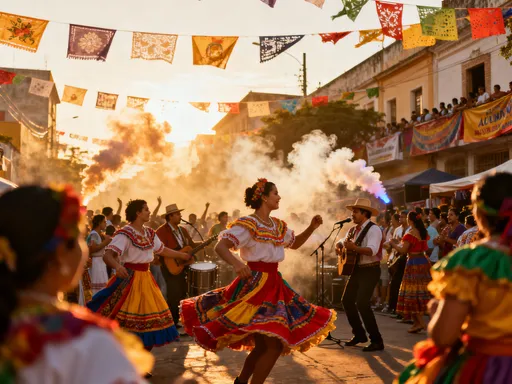
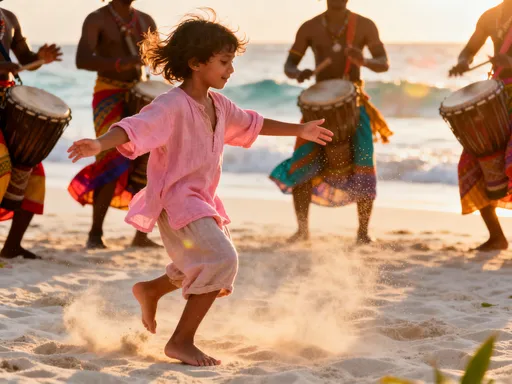
Attending one of these gatherings feels less like watching a performance and more like being invited into a living story. Men and boys, dressed in crisp white thobes and colorful sarongs, form concentric circles around the drummers, swaying and chanting in unison. Women and girls, often in vibrant hijabs and matching outfits, watch from the edges or participate in separate but equally spirited dances. Children dart between the rows, mimicking the movements with joyful abandon, learning the steps not through formal instruction but through immersion. The air is thick with energy—drums thunder like approaching waves, voices rise in call-and-response chants, and the scent of grilled fish and sweetened rice fills the night. There’s no stage, no ticket, and no spotlight—just people, united in celebration.
What’s most striking is the absence of performance anxiety or audience expectation. These festivals are not staged for tourists; they exist because the community needs them. They are acts of remembrance, gratitude, and continuity. During Eid, families open their homes to neighbors, sharing elaborate meals of mas huni (tuna and coconut salad), garudhiya (fish broth), and sweet boli (fried dough). Laughter spills into the streets, and elders recount stories of past celebrations, ensuring that younger generations understand the meaning behind the music and rituals. In a world where many cultural traditions are fading under the pressure of globalization, Maafushi’s festivals stand as a testament to the power of collective memory and shared joy.
Why Festival Culture Matters in a Tourist Hotspot
As tourism continues to grow in the Maldives, islands like Maafushi face a delicate balancing act: how to welcome visitors without eroding the very culture that makes them special. Unlike private resorts, which can control every aspect of the guest experience, local islands are real communities with real lives. The preservation of festival culture here is not a marketing strategy—it’s a matter of identity and dignity. When tourists witness a bodu beru performance or are invited to share a festival meal, they’re not seeing a reenactment; they’re encountering a living tradition that has survived colonial influences, economic shifts, and environmental challenges. This authenticity is increasingly rare in the global travel landscape, where cultural experiences are often reduced to photo ops or theme-park-style demonstrations.
What sets Maafushi apart is the active role its residents play in safeguarding their heritage. Youth participation in festivals is not encouraged—it’s expected. From a young age, children are taught the rhythms of the bodu beru, the lyrics of traditional songs, and the etiquette of communal gatherings. Schools and community centers often host workshops during school breaks, ensuring that knowledge is passed down systematically. Elders serve as cultural custodians, offering guidance on everything from costume design to proper conduct during religious observances. This intergenerational collaboration creates a sense of ownership and pride, reinforcing the idea that tradition is not static but evolving—rooted in the past, yet responsive to the present.
For travelers, this means that every festival moment carries weight. It’s not entertainment; it’s a window into a way of life that values harmony, respect, and collective well-being. When visitors approach these experiences with humility and curiosity, they contribute to a cycle of mutual respect. Locals appreciate genuine interest, especially when it comes without demands or disruptions. In this way, tourism becomes a bridge rather than a barrier—allowing cultural exchange without exploitation. Maafushi’s success lies in its ability to say “welcome” without saying “change.” The island reminds us that sustainable travel isn’t just about eco-friendly accommodations or plastic-free beaches; it’s about honoring the human spirit that gives a place its soul.
How to Experience It Right: Timing Your Visit
To truly witness Maafushi’s festival culture, timing is everything. While the island’s natural beauty is constant, its cultural heartbeat follows a seasonal rhythm tied to both the Islamic lunar calendar and national observances. Major festivals like Eid al-Fitr and Eid al-Adha are among the most vibrant times to visit, as families come together for prayer, feasting, and celebration. These events are not commercialized; they are deeply spiritual and social, offering a rare glimpse into the heart of Maldivian Muslim life. Because the Islamic calendar shifts each year relative to the Gregorian calendar, travelers should check local dates in advance and plan accordingly—arriving a few days before a major festival can provide insight into the preparation process, which is often as meaningful as the event itself.
Other notable times include National Youth Day in June, when islands across the Maldives host cultural competitions, dance performances, and traditional games. Maafushi often organizes a full day of bodu beru demonstrations, craft displays, and local food tastings, creating a festive atmosphere that’s accessible to visitors. Additionally, some islands celebrate their liberation from colonial rule or the opening of new community facilities with local festivals, though these dates vary and are less widely publicized. The best way to stay informed is to communicate directly with your guesthouse upon arrival. Many hosts maintain community bulletin boards or WhatsApp groups where upcoming events are shared. Expressing polite interest often leads to personal invitations—locals appreciate when guests show genuine curiosity rather than passive observation.
When attending any festival, respect is the most important currency. Dressing modestly—covering shoulders and knees—is essential, especially during religious observances. Women may choose to wear a light scarf, not as a requirement for tourists, but as a gesture of respect. Photography should be approached with care; always ask permission before taking photos of individuals, particularly children and elders. Avoid using flash during performances, as it can be distracting. Most importantly, resist the urge to treat the event as a spectacle. These are not shows—they are sacred, communal moments. Participate only when invited, and when in doubt, observe quietly. A smile, a respectful nod, or a simple “shukran” (thank you) can go a long way in building trust and connection.
Instagram-Worthy, But Not Just for the ‘Gram
There’s no denying that Maafushi’s festivals are visually stunning. The contrast of deep blue ocean skies against brightly colored traditional garments, the dynamic motion of dancers mid-step, and the golden glow of sunset illuminating a drum circle create images that seem tailor-made for social media. But behind every striking photo is a culture that deserves more than a quick scroll. The risk of reducing these moments to content is real—when travelers prioritize aesthetics over authenticity, they risk turning sacred traditions into background props. The goal should not be to capture the perfect shot, but to honor the moment in a way that respects its meaning.
Respectful photography begins with intention. Instead of focusing solely on faces or full-body performances, consider capturing details that tell a deeper story: hands gripping a drumstick with practiced precision, the intricate weave of a handmade sarong, steam rising from a pot of boiling sweet potato during festival prep. These images convey atmosphere without intruding. Natural light is your ally—early morning and late afternoon offer soft, warm tones that enhance the emotional depth of your photos without requiring disruptive equipment. Avoid drones unless explicitly permitted, as they can be seen as invasive in small, close-knit communities.
Beyond technique, mindset matters. Ask yourself why you’re taking the photo. Is it to remember? To share a story? Or simply to accumulate likes? When photography becomes the primary goal, presence is lost. Put the camera down sometimes. Stand at the edge of the circle and listen to the rhythm. Feel the ground vibrate beneath your feet. Let the music move you, even if you don’t join the dance. These unrecorded moments often become the most treasured memories. Social media can be a powerful tool for cultural appreciation when used thoughtfully—sharing stories with context, giving credit to the community, and encouraging others to visit with respect. But the true value of Maafushi’s festivals lies not in how they look online, but in how they make you feel: connected, humbled, and deeply human.
Hidden Moments: Where Locals Celebrate Away from Resorts
While organized festivals draw crowds, some of the most profound cultural experiences in Maafushi happen quietly, in spaces that don’t appear on tourist maps. It’s in the small community center where women gather to embroider festival garments, their fingers flying over fabric as they chat and laugh. It’s in the shaded courtyard where an elderly man teaches a group of boys the correct posture for bodu beru drumming, correcting their grip with gentle patience. These moments unfold without announcement, invitation, or expectation of an audience. They are not hidden because they are secretive, but because they are ordinary—part of the daily rhythm of a community that celebrates not just on special days, but in the way it lives.
One evening, while walking near the eastern shore, I stumbled upon a spontaneous gathering. A few teenagers had dragged a drum out from storage and begun playing a simple rhythm. Within minutes, others joined—friends, siblings, cousins—forming a loose circle and taking turns dancing. There were no costumes, no formal structure, just pure, unfiltered joy. No one was filming, and no tourists were present. I stood at a distance, unsure whether to approach. Then, a young girl smiled and gestured for me to come closer. I didn’t dance, but I clapped, and for a few minutes, I was part of something real. These unplanned, unscripted moments are the soul of Maafushi’s cultural life. They remind us that tradition isn’t confined to festivals—it lives in the way people greet each other, share food, and pass down skills in quiet, consistent ways.
To experience these hidden moments, you must slow down. Put away the itinerary. Talk to your guesthouse host, not just about tours, but about their life. Ask about their childhood celebrations or what festivals mean to them. Walk without a destination. Sit on a bench and observe. These simple acts open doors that no tour package can provide. The most meaningful travel experiences aren’t found in guidebooks—they’re discovered through presence, patience, and a willingness to be a guest rather than a consumer. In Maafushi, culture isn’t performed; it’s lived. And if you’re quiet enough, you might just hear its heartbeat.
Bringing It Home: Travel That Transforms
Leaving Maafushi, I carried more than seashells and sun-kissed skin. I carried the echo of drums, the taste of shared meals, and the quiet realization that paradise isn’t just a place—it’s a way of being. My understanding of island travel shifted completely. No longer was it about escaping reality, but about connecting with it more deeply. In a world that often measures value by speed and convenience, Maafushi reminded me of the power of slowness, community, and tradition. The festivals I witnessed weren’t just cultural displays; they were acts of resilience, love, and continuity—proof that even in the face of change, some things remain beautifully intact.
This kind of travel changes you. It fosters empathy, broadens perspective, and deepens gratitude. It teaches you to listen before speaking, to observe before acting, and to honor before sharing. When we seek destinations not just for their beauty but for their meaning, we become better travelers—and better humans. Maafushi doesn’t offer perfection; it offers authenticity. It doesn’t promise luxury; it offers connection. And in that exchange, something profound happens: we stop consuming places and start cherishing them.
So the next time you plan a getaway, consider not just where you’ll go, but how you’ll be. Will you rush through checklists, or will you pause long enough to hear a drumbeat? Will you capture moments for likes, or will you let them transform you? The Maldives has many faces—resorts with infinity pools, dive sites teeming with life, and beaches that glow at dawn. But in Maafushi, you’ll find its soul. And once you’ve touched that, you’ll never see paradise the same way again.