Where Art Meets Alpine Charm – Innsbruck’s Most Unforgettable Shopping Journey
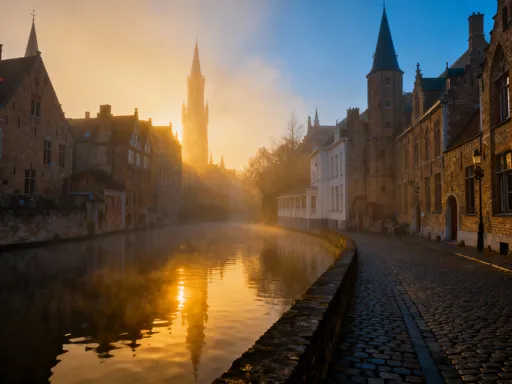
Nestled in the heart of the Austrian Alps, Innsbruck is more than just snow-capped views and historic streets—it’s a city where art breathes through every shopping experience. I wandered its cobbled lanes and stumbled upon something unexpected: boutiques that feel like galleries, crafts that tell centuries-old stories, and designs that blend tradition with bold creativity. This isn’t retail—it’s cultural discovery, one handmade treasure at a time. The air carries the scent of pine and warm pastries, while the golden dome of the Hofburg Palace catches the morning light, setting the tone for a journey that feels both refined and deeply human. Innsbruck’s shopping culture is not about transaction; it’s about transformation—of materials, of heritage, and of the traveler who takes part in it.
The Art of Place: How Innsbruck Inspires Creativity
Innsbruck’s beauty is not merely scenic—it is deeply generative. The city’s dramatic alpine setting, framed by towering peaks and threaded by the Inn River, has long served as a wellspring of artistic inspiration. Artists, artisans, and designers alike draw from this environment, translating its colors, textures, and rhythms into tangible forms. The soft gray of mountain stone, the deep green of alpine forests, and the sharp blue of high-altitude skies echo in the palettes of local textiles, ceramics, and jewelry. This is not imitation, but interpretation—nature distilled into craft.
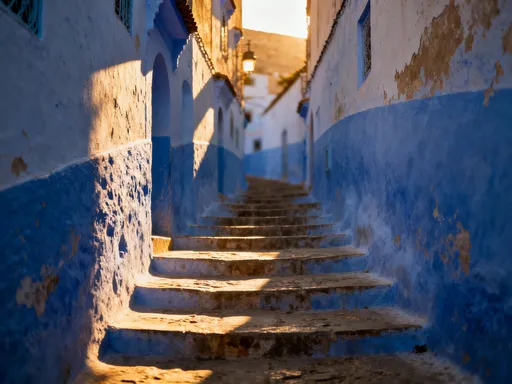
The city’s architecture further amplifies this creative energy. The blend of Gothic, Baroque, and Renaissance styles in the old town creates a visual harmony that feels both timeless and alive. The golden dome of the Hofburg Palace, shimmering above Maria-Theresien-Straße, stands as a symbol of cultural continuity, while narrow alleys lined with pastel-hued buildings invite quiet exploration. These spaces do not merely house art—they are art. Walking through them, one senses that every corner has been shaped by intention, that beauty is not an afterthought but a foundation.
Even the light in Innsbruck has a quality that influences creation. In winter, the sun casts long, soft shadows across snow-dusted rooftops, lending a dreamlike clarity to the streets. In summer, the high-altitude brightness intensifies colors, making red geraniums in window boxes appear almost luminous. Artists speak of this light as a collaborator, one that reveals subtle details and inspires precision in their work. The environment, in this way, becomes a silent partner in the creative process, shaping not only what is made but how it is perceived.
This deep connection between place and artistry transforms shopping into something more meaningful. To purchase a hand-carved wooden spoon or a handwoven scarf is not simply to acquire an object—it is to take part in a dialogue between nature, history, and human skill. Innsbruck does not offer generic souvenirs; it offers artifacts of a living culture, each shaped by the forces that define the region. The city’s artistic identity is not curated for tourists—it emerges organically from the way people live, work, and create within this unique alpine context.
Old Town Gems: Artisan Shops You Can’t Miss
The heart of Innsbruck’s creative spirit beats strongest in its historic center, where centuries-old buildings shelter a network of family-run workshops and independent boutiques. These are not commercial storefronts in the modern sense, but intimate spaces where craft is preserved, refined, and shared. Along Maria-Theresien-Straße and its quieter side alleys, visitors encounter artisans who have dedicated their lives to mastering traditional techniques, often passed down through generations. Each shop tells a story—not just of the objects on display, but of the hands that shaped them.
One such gem is a small glassblowing studio tucked behind a weathered wooden door. Inside, the air is warm, carrying the faint scent of molten glass. The artisan, sleeves rolled up and face illuminated by the glow of the furnace, shapes molten glass with practiced precision. Each piece—whether a delicate vase, a shimmering ornament, or a hand-blown candleholder—bears the subtle imperfections that mark it as truly handmade. Visitors are welcome to watch the process, to see how a lump of molten material becomes a work of art through breath, heat, and motion. These creations are not mass-produced; they are born in moments of focused creation, each one unique.
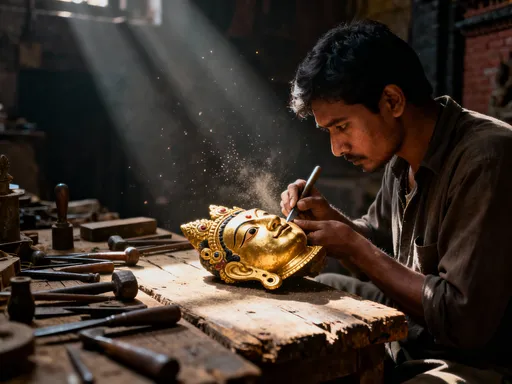
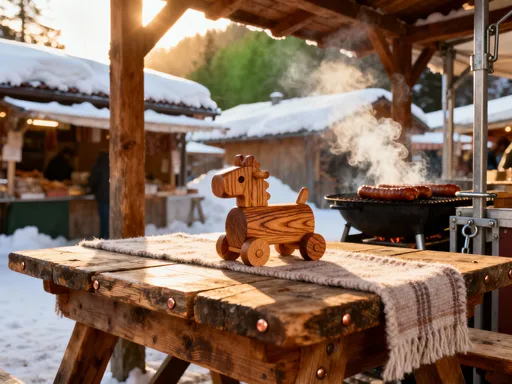
Nearby, a woodcarving workshop displays figurines of saints, animals, and alpine scenes, each carved from locally sourced pine or linden wood. The carver, a third-generation craftsman, explains that the grain of the wood guides his knife, that every piece must be approached with respect for the material. His tools—some centuries old—are arranged neatly on a worn wooden bench, a testament to continuity. The figurines, though small, carry a sense of presence, their faces carved with quiet dignity. They are not toys, but devotional objects, cultural markers, and artistic expressions all at once.
Textiles also play a central role in Innsbruck’s artisan landscape. A family-owned shop specializes in hand-embroidered linens and traditional Tyrolean garments, their intricate patterns reflecting regional symbolism. Red and green floral motifs, geometric borders, and delicate white stitching are not merely decorative—they carry meanings tied to protection, prosperity, and identity. The owner, a woman in her sixties, demonstrates how each stitch is made with a tension that ensures durability and beauty. She speaks proudly of her mother and grandmother, who taught her the craft, and of the younger niece now learning the same skills. Here, embroidery is not just a technique; it is a thread connecting past and future.
What unites these shops is a commitment to authenticity. There are no plastic replicas, no machine-made imitations. Each item is made locally, often on the premises, and sold directly by the maker or a family member. This personal connection transforms the act of shopping into a conversation, a moment of human exchange. Visitors leave not just with an object, but with a memory—a name, a story, a shared smile. In a world of fast fashion and disposable goods, these boutiques stand as quiet resistance, preserving the value of time, skill, and intention.
Design & Tradition: The Rise of Contemporary Tyrolean Fashion
While Innsbruck honors its craft traditions, it is far from frozen in the past. A new generation of designers is reimagining Tyrolean fashion, blending centuries-old elements with modern aesthetics and sustainable practices. The traditional *Tracht*—once reserved for festivals and formal occasions—is being reinvented as wearable art, suitable for city streets and contemporary wardrobes. This evolution is not a rejection of heritage, but a celebration of it, one that allows tradition to breathe in new contexts.
In boutique studios and design-led shops, visitors find jackets with alpine embroidery reworked into minimalist silhouettes, dirndls with adjustable cuts and eco-friendly fabrics, and loden coats dyed with natural pigments. These pieces retain the soul of Tyrolean dress—the warmth, the craftsmanship, the connection to the land—while embracing modern values like comfort, versatility, and environmental responsibility. One designer explains that her goal is not to preserve tradition as a museum piece, but to ensure it remains alive, worn, and relevant.
The materials themselves tell a story of renewal. Wool is sourced from local sheep, processed in small mills that minimize environmental impact. Linen is grown in nearby regions, dyed using plant-based colors like madder root and woad. Buttons are carved from antler or horn, and zippers are replaced with hand-sewn closures where possible. These choices reflect a broader shift toward mindful production, one that respects both the environment and the people who work within it.
What makes this movement particularly compelling is its cultural pride. These designers are not chasing global trends; they are rooted in place. They speak of the mountains as their muse, of winter hikes and village festivals as sources of inspiration. Their collections often debut during local design weeks or cultural events, where community members gather to celebrate innovation grounded in heritage. International fashion critics have taken note, praising Innsbruck’s ability to merge authenticity with originality, tradition with forward-thinking design.
For the traveler, these garments offer more than style—they offer connection. Wearing a modern Tracht piece is not about costume; it is about alignment with values of craftsmanship, sustainability, and cultural continuity. It is a way to carry a piece of Innsbruck’s spirit into everyday life, long after the trip has ended. In this way, fashion becomes a form of storytelling, one that honors the past while stepping confidently into the future.
Markets as Moving Canvases: Seasonal Shopping Experiences
Innsbruck’s markets are not mere places to buy goods—they are living exhibitions, where commerce, culture, and artistry converge in vibrant, sensory-rich displays. While the Christmas market is the most famous, drawing visitors from around the world with its twinkling lights and mulled wine, the city hosts a year-round calendar of seasonal fairs that showcase the rhythm of alpine life. Each market is a temporary village of creativity, where stalls become stages and artisans the performers.
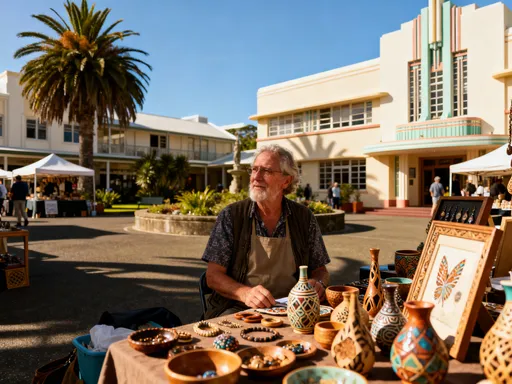
The spring craft fair, held in the courtyard of the Imperial Palace, transforms the historic space into a gallery of handmade wonders. Painted ceramics line wooden tables, their glazes reflecting the soft light of early sun. Potters demonstrate wheel-throwing techniques, their hands moving with quiet focus. Nearby, weavers display scarves and shawls in colors inspired by alpine wildflowers—lilac, buttercup, and forget-me-not blue. The air carries the scent of beeswax candles and fresh bread, while folk musicians play traditional tunes on zithers and flutes. Visitors move slowly, drawn from stall to stall not by urgency, but by curiosity.
In summer, pop-up artisan markets appear in parks and squares, often featuring younger designers and experimental work. These events have a more contemporary feel, with installations that blend art and function—light sculptures made from recycled glass, furniture crafted from reclaimed timber, wearable art that blurs the line between jewelry and sculpture. Local cafes set up outdoor seating, offering cold drinks and light meals, creating a relaxed atmosphere where shopping feels like part of a larger celebration.
Fall brings harvest-themed markets, where food and craft intertwine. Honey, apple butter, and herbal teas are sold alongside hand-carved utensils, knitted gloves, and woolen hats. These markets emphasize self-sufficiency and seasonal living, values deeply rooted in Tyrolean culture. Vendors often share stories about their methods—how the honey is harvested from mountain hives, how the herbs are gathered at dawn. These narratives deepen the experience, turning each purchase into a small act of cultural preservation.
What sets these markets apart is their impermanence. Unlike permanent shops, they exist for a few days at a time, making each visit feel special, even urgent. They are not designed for efficiency, but for immersion. The wooden stalls, hand-painted signs, and live demonstrations create a sense of theater, where every transaction is accompanied by a gesture, a word, a shared moment. In this way, the market becomes a moving canvas—one that paints a portrait of Innsbruck’s creative soul, season by season.
Hidden Studios: Off-the-Beaten-Path Art Encounters
Beyond the postcard-perfect streets of the old town, Innsbruck reveals another layer of artistry in its quieter neighborhoods. Areas like Wilten and Hötting, nestled along the river or climbing into the hills, are home to artists who work away from the tourist gaze. These are not gallery spaces designed for visitors, but working ateliers where creation happens in real time. Some open their doors during annual art trails; others welcome curious travelers by appointment. To find them is to step into the private world of making, where the boundary between observer and participant dissolves.
In a converted schoolhouse in Wilten, a sculptor works with local stone and reclaimed wood, shaping abstract forms that echo the contours of the surrounding mountains. The studio is filled with dust and silence, broken only by the sound of chisels and sandpaper. Visitors are invited to touch unfinished pieces, to feel the transition from rough to smooth, to understand the physicality of the work. The artist speaks little, but his presence is generous—offering tea, answering questions, allowing time for contemplation. Here, art is not presented as a finished product, but as a process, one that demands patience and presence.
Another hidden gem is a jewelry maker’s studio in Hötting, where ancient metalworking techniques are revived. Using methods like granulation and repoussé—dating back to pre-Roman times—she creates delicate pieces inspired by alpine flora and celestial patterns. Her tools are simple: hammers, anvils, blowpipes. The gold and silver she uses are recycled, sourced from old jewelry or donated materials. Each piece takes days, even weeks, to complete, with every granule of metal placed by hand. She explains that this slowness is the point—that beauty cannot be rushed.
These encounters are not passive. In some studios, visitors can try their hand at basic techniques—shaping a piece of clay, hammering a copper pendant, stitching a few embroidery stitches. These workshops, though brief, create a deeper appreciation for the skill involved. They also foster connection, as artists share not just their craft, but their philosophy, their challenges, their joys. For the traveler, these moments become some of the most memorable—quiet, authentic, and profoundly human.
Exploring these neighborhoods requires a shift in pace. There are no crowds, no guidebooks pointing the way. One must wander, knock, ask. But the reward is access to a different kind of authenticity—one not curated for display, but lived daily. In these hidden studios, art is not separate from life; it is woven into it, as natural as breathing.
Museums That Sell: When Galleries Become Shops
In Innsbruck, the line between museum and marketplace is beautifully blurred. Cultural institutions like the Tyrolean State Museum and Kunsthaus Innsbruck do not end the visitor experience at the gallery door—they extend it into carefully curated retail spaces that offer access to art in new, tangible forms. These are not typical gift shops filled with trinkets; they are extensions of the museum’s mission, designed to make art accessible, wearable, and meaningful.
The Tyrolean State Museum’s shop, for instance, features reproductions of historical textiles, limited-edition prints of alpine landscapes, and books on regional craft techniques. One can purchase a scarf inspired by a 17th-century embroidery pattern, or a notebook bound in loden fabric. These items are not mere souvenirs—they are educational tools, bridges between past and present. The staff, often curators or art historians, are eager to explain the significance of each piece, turning shopping into a form of learning.
At Kunsthaus Innsbruck, a contemporary art museum housed in a striking modern building, the shop reflects the institution’s avant-garde spirit. Here, visitors find artist-designed homewares—ceramic vases shaped like mountain peaks, cushions printed with abstract interpretations of snowfall, clocks inspired by alpine light cycles. Some pieces are created in collaboration with local designers, ensuring that the art remains rooted in place. The shop also sells small sculptures, artist books, and limited-run prints, many available nowhere else.
What makes these museum shops exceptional is their integrity. Every item is thoughtfully selected, often made in partnership with the artists or under their supervision. There is no mass production, no generic branding. Instead, there is curation—each object chosen for its aesthetic and cultural value. For the visitor, this means confidence that their purchase supports the arts, contributes to the museum’s work, and carries genuine artistic merit.
These spaces also challenge the notion that art must be viewed, not touched. By allowing people to own a piece of an exhibition, to use a museum-inspired object in daily life, they democratize art. A coffee mug with a design by a contemporary painter, a tote bag featuring a historical map—these are small acts of integration, ways to bring culture into the ordinary. In Innsbruck, art does not live behind glass; it lives in homes, on streets, in hands.
How to Shop Like a Local: Practical Tips for Meaningful Finds
To fully experience Innsbruck’s shopping culture, one must approach it not as a checklist, but as a journey. The most rewarding discoveries come not from rushing, but from slowing down, observing, and engaging. Locals do not shop for souvenirs—they shop for beauty, for utility, for connection. Adopting this mindset transforms the experience from consumption to participation.
Begin by visiting in the morning, when artisans are most present and the streets are quieter. Many workshops open around 9 or 10 a.m., and owners are often more available for conversation early in the day. Avoid weekends if possible, or arrive right at opening time to beat the crowds. Weekdays, especially in the shoulder seasons of spring and fall, offer the most intimate experience.
When entering a shop, take time to look. Ask questions—not just about price, but about process. Who made this? How long did it take? What materials are used? Most artisans welcome genuine interest and are happy to share their stories. A simple “May I watch you work?” can lead to an unforgettable exchange. Remember, these are not salespeople in the conventional sense; they are custodians of craft.
Look for signs of authenticity: handmade stitches, natural materials, slight variations between items. Machine-made imitations often lack texture and irregularity. If an embroidered blouse costs less than 30 euros, it is likely not hand-stitched. Trust your senses—touch the fabric, feel the weight of a ceramic piece, examine the finish of a wooden carving. Authentic craftsmanship reveals itself through detail.
Combine shopping with other quiet pleasures. Pause for coffee in a hidden courtyard, where ivy climbs stone walls and the sound of a fountain fills the air. Join a guided walking tour focused on design history, led by local historians or artists. Visit a bakery for a slice of *Apfelstrudel* before continuing your exploration. These moments of stillness enhance the overall experience, allowing the beauty of the city to settle into your awareness.
Finally, shop with intention. Choose one or two meaningful pieces rather than many small souvenirs. A hand-blown glass ornament, a linen tea towel with alpine embroidery, a small sculpture from a hidden studio—these are not just objects, but vessels of memory and meaning. By supporting local artisans, you contribute to the preservation of a living culture. In doing so, you do not take something from Innsbruck—you become part of its story.
Innsbruck doesn’t just sell objects—it invites you to take home a piece of its soul. Each purchase becomes a story, a connection, a quiet rebellion against mass production. Here, shopping isn’t consumerism; it’s an act of appreciation for art that lives, breathes, and belongs to the mountains.