You Won’t Believe What I Ate in Bologna—It Changed Everything
If you think you know Italian food, Bologna will completely rewrite the rules. I arrived hungry and left transformed—by the scent of simmering ragù, the crunch of fresh tagliatelle, the warmth of bakeries hiding century-old recipes. This isn’t just pasta; it’s culture on a plate. Forget tourist traps—this is where locals eat, breathe, and live for flavor. Let me take you deep into the heart of Emilia-Romagna’s culinary soul, where every bite tells a story.
Arrival in Bologna: First Impressions of a Food Lover’s Paradise
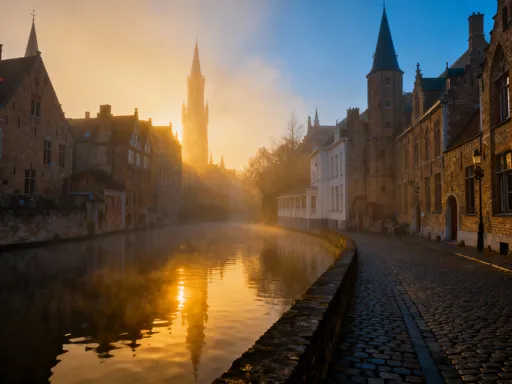
Bologna greets visitors not with grand monuments, but with aroma. As the train doors open at Bologna Centrale, the air carries a whisper of yeast, garlic, and simmering tomatoes. Step into the city center, and the golden glow of its famous porticoes—UNESCO-listed colonnades stretching over 40 kilometers—frames a world where life unfolds at a slower, more deliberate pace. Unlike Rome’s bustle or Venice’s postcard perfection, Bologna feels lived-in, authentic, unpolished in the best way. Here, the rhythm of the day is measured in espresso shots and market visits, not sightseeing checklists.
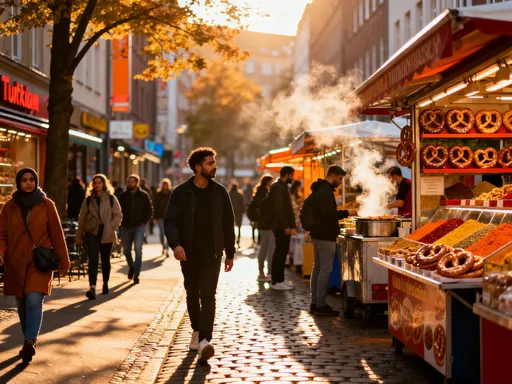
The city’s identity is deeply rooted in sustenance. Known locally as La Grassa—“The Fat One”—Bologna wears its culinary pride like a well-fitted apron. Every corner seems to hold a bakery puffing out fragrant clouds, a deli slicing paper-thin prosciutto, or a nonna balancing a basket of mushrooms and fresh pasta. The Mercato di Mezzo, once a medieval marketplace, now hums with food stalls offering regional specialties, while nearby, university students sip wine at outdoor tables, debating philosophy between bites of mortadella sandwiches.
What sets Bologna apart from other Italian cities is its resistance to theatricality. There’s little effort to impress tourists with spectacle. Instead, authenticity thrives in the everyday: a man buying three types of cured meat for Sunday lunch, a vendor wrapping cheese in brown paper, a couple sharing a single plate of tortellini at noon. This is not performance—it’s life. And for those willing to slow down, it offers a rare glimpse into a culture where food is not an accessory, but the very heartbeat of community.
The Heart of Bolognese Cuisine: What Makes It Unique
Bolognese cuisine stands apart not because of complexity, but because of its devotion to quality, tradition, and balance. At its core lies a simple truth: ingredients matter more than invention. The fertile plains of the Po Valley provide an abundance of dairy, meat, and grains, forming the foundation of a cuisine built on richness, depth, and comfort. Unlike the olive oil–driven kitchens of the south, Bologna cooks with butter and soft onions, creating sauces that are velvety, not sharp, and pastas that are tender, not al dente to the point of resistance.
The most iconic dish, tagliatelle al ragù, is a masterclass in patience. This is not the hasty meat sauce Americans call “spaghetti Bolognese.” True ragù takes hours—sometimes all day—to develop. Ground beef, pancetta, carrot, celery, and onion are gently sautéed in butter, then simmered with tomato paste, broth, and a splash of milk or wine until the mixture becomes a deep, cohesive harmony. It is never served swimming in sauce; instead, the ragù clings to wide, silky ribbons of fresh egg tagliatelle, each strand absorbing just enough flavor to shine without drowning.
Another cornerstone is tortellini in brodo, delicate hat-shaped parcels traditionally filled with a mixture of pork, prosciutto, mortadella, and Parmigiano-Reggiano, then floated in a clear, golden capon broth. According to local legend, the shape was inspired by Venus’s navel—a poetic tribute to beauty and nourishment. These dumplings are never rushed; families gather during holidays to fold them by hand, a ritual passed down through generations. The act itself is as important as the meal.
Beyond these stars, the cuisine celebrates subtlety. Dishes like lasagna verde—layered with spinach-infused pasta, béchamel, and ragù—showcase a balance of richness and freshness. Even side dishes, such as stewed greens or baked potatoes with fontina, are treated with care. The philosophy is clear: food should comfort, connect, and reflect the season. In Bologna, every meal is an expression of respect—for the land, the cook, and the table.
Hidden Eateries: Where Locals Really Eat
While guidebooks may spotlight polished restaurants with English menus, the soul of Bologna’s dining scene lives in unassuming corners. Tucked beneath centuries-old porticoes, you’ll find osterias so small they seat no more than twenty, where the walls are lined with wine bottles and the air hums with the clink of forks and laughter in rapid Emilian dialect. These are not destinations for showy presentations or culinary theatrics. They are places where the focus is singular: flavor, consistency, and warmth.
One such spot, a family-run trattoria with red-checkered tablecloths and no online presence, serves only four pasta dishes daily—each made that morning. The owner, a woman in her sixties with flour-dusted forearms, greets regulars by name and offers a glass of house wine before the menu is even mentioned. The gramigna al sugo di salsiccia—a curly pasta tossed with sausage and tomato sauce—is unpretentious but unforgettable, the kind of dish that makes you close your eyes after the first bite.
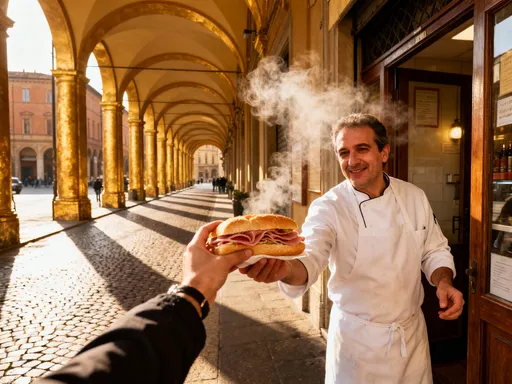
Another favorite, known only to locals, is a narrow deli counter that opens at 11 a.m. and sells out by 2 p.m. Its claim to fame? The mortadella sandwich on soft, warm bread, layered with butter and a whisper of black pepper. There are no frills, no seating, just a line of workers, students, and retirees waiting patiently, cradling their paper-wrapped treasures. This is fast food in Bologna—not fried, not mass-produced, but deeply satisfying and made with pride.
Finding these places requires a shift in mindset. Forget searching for flashy signs or Instagrammable interiors. Instead, follow the cues: a queue forming at noon, the sound of Italian spoken too quickly for tourists to catch, the absence of menus in multiple languages. Look for places where the staff doesn’t rush, where water is still, and where the wine comes in carafes. These are the markers of authenticity. And while some spots may not cater to dietary restrictions or offer English explanations, the reward—a genuine taste of Bologna—is worth the effort.
Market Magic: A Morning at Mercato delle Erbe and Beyond
No visit to Bologna is complete without a morning spent at the Mercato delle Erbe, the city’s historic indoor market housed in a striking early 20th-century iron and glass building. Open since 1908, it remains a vital hub of daily life, where shoppers weave between stalls piled high with seasonal abundance. The sensory experience begins at the entrance: the earthy scent of porcini mushrooms, the tang of aged Parmigiano-Reggiano, the sweet perfume of ripe figs and wild strawberries.
The fresh pasta vendors are the heart of the market. Long trays display delicate lasagna verde, fat cappelletti, and nests of golden tagliatelle, all made that morning with just eggs and flour. Women in aprons hand-cut pappardelle with practiced ease, while customers debate between spinach pasta and classic egg. Nearby, cheese stalls offer squacquerone—a soft, fresh cheese with a slightly sour kick—and stracchino, perfect for spreading on warm bread. Cured meats hang in rows: mortadella with its signature pink hue and peppercorns, coppa, and culatello, each labeled with its town of origin.
One of the most rewarding aspects of the market is the relationship between vendor and customer. Regulars are greeted like family. A woman buying ricotta is offered a taste of a new herb blend. A man ordering prosciutto receives a slice extra-thin “because you like it that way.” These interactions are not transactions—they are threads in the fabric of community. For visitors, engaging respectfully—asking for a sample, learning a few Italian phrases, thanking the vendor—can open doors to deeper understanding.
To fully appreciate the market, consider joining a guided tour led by a local chef or food historian. These small-group experiences often include tastings of balsamic vinegar from Modena, slices of cured meat paired with Lambrusco, and demonstrations of how to shape tortellini. More than just a shopping trip, the market becomes a classroom, offering insight into the rhythms, values, and flavors that define Bolognese life. It’s here that you begin to see food not as fuel, but as legacy.
Beyond Pasta: The Full Spread of Bolognese Flavors
While pasta may be Bologna’s crown jewel, the region’s culinary repertoire extends far beyond the plate. Emilia-Romagna is a land of contrasts—rich and rustic, indulgent and simple—and its food reflects that duality. Street snacks, appetizers, and desserts play a vital role in the daily rhythm, offering moments of pleasure between meals or as the centerpiece of a leisurely aperitivo.
One of the most beloved snacks is crescentine, also known as gnocco fritto—puffy, fried dough served hot from the fryer, often accompanied by a platter of cured meats and cheeses. Crispy on the outside, soft within, they are perfect for tearing and sharing. Locals might eat them for lunch with a glass of Lambrusco, turning a humble bite into a celebration. Another staple is piadina romagnola, a flatbread from the nearby Romagna region, filled with squacquerone and arugula or prosciutto and fresh cheese. It’s the regional answer to the sandwich—portable, satisfying, and deeply flavorful.
For heartier fare, erbazzone—a savory pie filled with chard, onions, and cheese—offers a taste of home cooking at its finest. Baked until golden, it’s often served at room temperature, making it ideal for picnics or family gatherings. Then there’s zuppa inglese, the region’s beloved dessert: layers of sponge cake soaked in Alchermes liqueur, alternating with rich custard, creating a dessert that is both light and decadent. It’s a reminder that even sweets in Bologna are made with care, not excess.
Understanding portion culture is key to enjoying Bologna like a local. Meals are long, multi-act affairs. A typical lunch might begin with a slice of cured meat, move to a first course of pasta, include a second course of roasted meat or fish, and end with fruit or a small dessert. But the emphasis is not on quantity—it’s on pacing. Each course is modest in size, allowing room to savor without overindulgence. Ordering a single dish and lingering over it is not only acceptable, it’s encouraged. In Bologna, eating slowly is a form of respect—for the food, the company, and the moment.
Hands-On Experience: Taking a Cooking Class Like a Local
One of the most transformative ways to connect with Bolognese cuisine is through a hands-on cooking class. These are not theatrical demonstrations for tourists, but intimate, immersive experiences led by home cooks, chefs, or culinary instructors who treat tradition as both art and responsibility. Held in sunlit kitchens, converted barns, or historic homes just outside the city, these classes offer more than recipes—they offer access to a way of life.
The day often begins with a visit to the market, where participants learn to select the best eggs for pasta, identify ripe tomatoes for sauce, and choose the right cut of meat for ragù. Back in the kitchen, the real work begins. Rolling out fresh pasta by hand is harder than it looks. The dough must be firm yet pliable, rolled thin enough to be tender but not tear. Instructors guide with patience, demonstrating the wrist motion needed to create even sheets of tagliatelle or the precise fold for a perfect tortellino. Laughter is common, especially when a dumpling bursts or a noodle sticks to the ceiling.
The reward comes at the end: a shared meal of everything made that day. There’s pride in eating pasta you rolled yourself, sauce you simmered for hours, bread you shaped and baked. But more than that, there’s connection. Strangers become tablemates, stories are exchanged, and the boundaries between visitor and local begin to blur. These classes are not about perfection—they’re about participation.
For travelers seeking an authentic experience, choosing the right class matters. Look for small groups—no more than eight or ten people—to ensure personal attention. Family-run schools often offer the most genuine insight, especially if the instructor grew up cooking alongside a grandmother. Multilingual instruction is common, but don’t expect every word to be translated; some of the best lessons come from watching, doing, and tasting. And if the class includes a visit to a local producer—such as a Parmigiano-Reggiano dairy or a balsamic vinegar cellar—it’s worth the extra cost. These moments deepen appreciation for the ingredients that make Bologna’s cuisine extraordinary.
How to Eat Like You Live There: Practical Tips for Food-Centric Travelers
To truly embrace Bologna’s food culture, it helps to adopt a few local habits. Start with timing. Restaurants in Bologna open for lunch between 12:30 and 1:00 p.m. and typically close by 2:30. Dinner begins late—often not until 7:30 or 8:00 p.m.—and reservations are wise, especially on weekends. Avoiding crowds means eating slightly earlier or later than peak hours, but the trade-off is space to breathe, to talk, to enjoy.
Understanding the menu is another key. In Bologna, pasta is a primo piatto—a first course—not a main. It is followed by a secondo, usually meat or fish, and often preceded by antipasti, a selection of cold cuts and cheeses. While it’s acceptable to order only pasta, especially at lunch, doing so at dinner may surprise the server. And never, under any circumstances, ask for chicken in your pasta dish. Locals will gently—but firmly—correct you. Chicken belongs in the second course, not tangled with tagliatelle.
Coffee culture is equally precise. Espresso is the default, served in a small cup, often standing at the bar. Cappuccino is strictly a breakfast drink—ordering one after 11 a.m. marks you as a tourist. And never order coffee with your meal. Italians believe it dilutes digestion. Instead, a small glass of water or a digestif like amaro or grappa comes at the end.
Seasonality plays a big role in what’s available. In autumn, look for dishes with truffles, porcini, and chestnuts. Spring brings fresh herbs, asparagus, and delicate peas. Summer highlights ripe tomatoes, zucchini flowers, and fresh cheeses. Winter is for rich ragù, baked pastas, and hearty stews. Eating with the seasons isn’t just a trend in Bologna—it’s tradition.
Finally, the most important tip: slow down. Put the phone away. Savor each bite. Let the meal unfold over an hour or two. In Bologna, food is not fuel. It is conversation, memory, identity. To eat like a local is to embrace that rhythm—to let the plate guide the day.
Bologna doesn’t just feed you—it teaches you how to eat. The real magic isn’t in any single dish, but in the culture of care, tradition, and connection woven into every meal. This is cuisine as heritage, alive and evolving. When you leave, you don’t just carry memories—you carry a new way of tasting the world.