You Won’t Believe These Secret Viewpoints in Marrakech
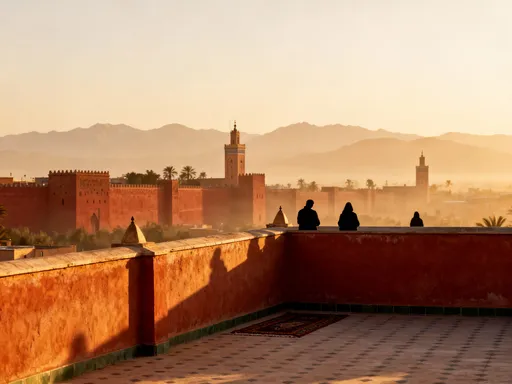
Marrakech isn’t just about bustling souks and riads—some of its most breathtaking moments are found from above. I stumbled upon quiet rooftops, hidden terraces, and unexpected elevations that revealed the city’s soul. From golden sunsets over the Atlas Mountains to the maze of the medina stretching below, these viewpoints transformed my trip. If you’re chasing real moments—and epic photos—this is where to look. More than just scenic backdrops, these elevated spaces offer clarity, calm, and connection. They invite you to pause amid the sensory richness of Morocco’s Red City and see it anew, layer by layer, light by light.
The Magic of Perspective: Why Viewpoints Matter in Marrakech
Elevation changes everything in Marrakech. At street level, the city pulses with energy—donkeys clip-clopping down alleyways, spice vendors calling out, the scent of cumin and orange blossom weaving through narrow passages. It’s vibrant, yes, but also overwhelming. From above, that same energy transforms into a tapestry of movement and color, organized by distance and softened by height. A rooftop view doesn’t just offer a panorama; it offers understanding. You begin to see how the medina unfolds like a living organism, with arteries of souks feeding into quiet residential veins, and how the rhythm of daily life aligns with the call to prayer echoing from distant minarets.
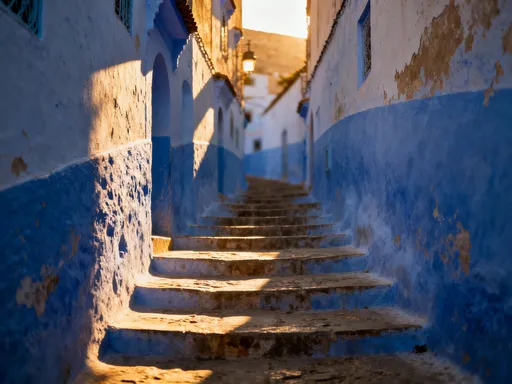
What makes a viewpoint powerful isn’t just what you see, but how it shifts your perception. In Marrakech, where colors are bold and architecture is dense, seeing the city from above allows you to appreciate its geometry—the symmetry of courtyard homes, the repetition of arched doorways, the way sunlight plays across terracotta walls. This shift in perspective fosters a deeper emotional connection. Instead of merely passing through, you feel like you’re witnessing something intimate, something timeless. The chaos becomes pattern. The noise becomes music. And the city, so impenetrable at ground level, suddenly feels knowable.
For travelers seeking authenticity, viewpoints are essential. They provide space to breathe, reflect, and absorb. They also yield the kind of photographs that don’t just document a trip but capture its spirit. While many visitors line up for iconic shots at Jemaa el-Fnaa or the Koutoubia Mosque, the most memorable images often come from unexpected vantage points—places where the city reveals itself quietly, without fanfare. These are the spots where light, shadow, and life converge in ways that can’t be staged or rushed. They reward patience, curiosity, and a willingness to climb a few extra steps.
Rooftop Culture: Where Locals Watch the World Go By
In Marrakech, rooftops are more than architectural features—they are extensions of daily life. Many traditional homes, known as riads, are built around central courtyards, with upper floors opening onto private terraces. These spaces serve as family gathering spots, places to dine under the stars, or simply to enjoy a cup of mint tea as the sun sets behind the Atlas Mountains. This rooftop culture is deeply rooted in Moroccan tradition, where privacy and connection coexist. From above, residents observe the ebb and flow of neighborhood life without being part of the fray—a balance many visitors find refreshing.
Travelers can experience this culture firsthand by visiting rooftop cafes, particularly within the medina. These establishments are often tucked behind unassuming doorways, their stairs leading to open-air terraces where locals and tourists alike sip tea and watch the city. The atmosphere is unhurried. Pigeons glide between rooftops, their wings catching the late afternoon light. The call to prayer rises from minarets across the city, a sound that, rather than interrupting the peace, seems to deepen it. It’s in these moments—when the world slows and the sky turns gold—that you feel most connected to Marrakech’s soul.
What makes these rooftop spaces so special is their authenticity. Unlike staged photo opportunities or tourist traps, they offer a genuine slice of urban Moroccan life. You’ll see families sharing meals, artisans returning from the souk, and children playing on adjacent terraces. The views aren’t always perfectly framed, but they’re real. And for photography, that authenticity translates into powerful, emotive images. A simple shot of a teacup on a weathered table, with the medina sprawling behind it, can tell a richer story than any postcard.
Café Terraces with a View: Casual Spots That Deliver
Some of Marrakech’s best viewpoints are as simple as a table and a cup of tea. Café des Épices, perched above the vibrant spice market in the heart of the medina, is a prime example. Its rooftop terrace offers a sweeping view of the surrounding souks, with the turquoise-tiled minaret of the Ben Youssef Mosque rising in the distance. It’s a favorite among photographers, not because it’s hidden, but because it delivers—consistently. From here, you can watch merchants arranging saffron and paprika in colorful pyramids, while the scent of cinnamon and dried roses drifts upward.
Other notable café terraces include Terrasse des Épices, a quieter alternative with similar views, and Café Atay, where traditional Moroccan pastries accompany your drink. These spots are accessible, affordable, and welcoming. They don’t require reservations or formal attire—just a willingness to sit, observe, and let the city unfold. The best time to visit is late afternoon, between 4:00 and 6:00 p.m., when the sun softens and the shadows lengthen. This is golden hour in Marrakech, when the light wraps the city in a warm, honeyed glow.
When photographing from café terraces, it’s important to be respectful. While the views are expansive, they often include private homes and courtyards. Avoid using telephoto lenses to zoom in on intimate spaces. Instead, focus on wider compositions that capture the city’s texture—the pattern of rooftops, the contrast of light and shadow, the silhouette of a minaret against the sky. Ordering a drink supports the business and gives you permission to linger. A glass of fresh mint tea or a bowl of almond milk with honey is a small gesture that opens the door to a longer, more meaningful experience.
Hidden Garden Lookouts: Peace Above the Pavements
Away from the medina’s intensity, Marrakech’s gardens offer elevated vantage points wrapped in serenity. Jardin Majorelle, once owned by designer Yves Saint Laurent, is renowned for its cobalt blue structures and exotic plants. But fewer visitors notice the raised pathways and viewing platforms tucked among the bamboo groves. These elevated walkways provide framed views of the garden’s geometry—its intersecting paths, vibrant flowers, and reflective pools—while also offering glimpses of the surrounding city beyond the walls. From this height, the contrast between cultivated calm and urban energy becomes strikingly clear.
Another peaceful retreat is Anima Garden, located just outside the city in the Ourika Valley. Designed by landscape artist Pascal Martine Tajani, it features tiered terraces that climb a gentle hillside. Each level offers a new perspective, not just of the garden’s lush plantings, but of the distant Atlas Mountains. The garden is intentionally designed to draw the eye upward and outward, encouraging contemplation. Morning light filters through tall palms, casting delicate shadows on stone benches. Birdsong replaces the medina’s clamor. It’s a place where time feels suspended, and the act of seeing becomes meditative.
These garden lookouts are ideal for soft, dreamy photography. The natural framing—arched trellises, flowering vines, and reflective water—creates compositions that feel effortless. The lighting is diffused, especially in the early morning or late afternoon, reducing harsh contrasts and enhancing color saturation. For travelers seeking tranquility, these spaces offer a vital counterbalance to the city’s sensory overload. They remind you that beauty in Marrakech isn’t only found in markets and monuments, but in quiet corners where nature and design harmonize.
Historic Minarets and Balconies: Glimpses from the Past
While non-Muslims cannot enter mosques in Morocco, the exteriors of historic structures like the Koutoubia Mosque offer powerful vantage points from nearby streets and gardens. The mosque’s 77-meter minaret, a masterpiece of Almohad architecture, dominates the city skyline. But to truly appreciate its scale and detail, you need distance and elevation. The gardens in front of the mosque provide an ideal viewing platform, where you can see the intricate tilework, carved stucco, and bronze lantern crowning the tower. As the sun moves across the sky, the minaret’s shadow stretches and contracts, marking time like an ancient sundial.
Another way to experience historic elevation is through restored riads that welcome guests. Many of these traditional homes have been converted into boutique guesthouses, with upper-floor balconies offering private views of the medina. Staying in a riad isn’t just about comfort—it’s about immersion. From your balcony, you can watch the city wake up: shopkeepers unrolling carpets, bakers pulling flatbreads from clay ovens, the first calls to prayer echoing through the alleys. These moments are fleeting, but they’re also deeply authentic.
Architectural details that go unnoticed at street level become visible from above. The craftsmanship in wooden latticework, the symmetry of zellige tile patterns, the curve of a rooftop dome—all are best appreciated with a little distance. Some riads even offer rooftop terraces where guests can dine under the stars or practice yoga at sunrise. These spaces blend history and hospitality, allowing you to experience Marrakech not as a spectator, but as a temporary resident. For photography, the combination of heritage architecture and natural light creates images that feel both timeless and immediate.
Sunset from the South: Elevated Corners Near the Palmeraie
On the quieter southern edges of Marrakech, the landscape opens into vast palm groves and desert plains. This area, known as the Palmeraie, was once a retreat for royalty and wealthy families. Today, it’s home to boutique guesthouses, desert-facing terraces, and private villas with elevated viewpoints that offer unobstructed views of the horizon. As the sun dips behind the Atlas Mountains, the sky ignites in shades of amber, rose, and lavender. The light spills across the palm fronds, casting long, dramatic shadows across the sand.
These southern viewpoints are ideal for travelers seeking solitude and uninterrupted photography. Unlike the medina, where crowds and narrow alleys limit shooting angles, the Palmeraie offers wide-open spaces and clean sightlines. The best time to visit is between 5:30 and 7:00 p.m., depending on the season. Arriving early allows you to scout compositions and set up your equipment. Many guesthouses welcome day visitors for tea or dinner, especially if you make a reservation in advance. Sitting on a raised terrace with a glass of pomegranate juice, watching the day fade, is one of Marrakech’s most underrated pleasures.
The elevated corners of the Palmeraie also provide a unique sense of scale. From here, you can see how the city blends into the desert, how the irrigation channels sustain the palm groves, and how the distant mountains form a natural backdrop. It’s a perspective that reminds you of Morocco’s diverse landscapes—urban, agricultural, and wild—all within a short distance. For photography, the low angle of the setting sun enhances texture and depth, making even simple scenes feel cinematic. A single palm tree silhouetted against the sky can become a powerful symbol of stillness and endurance.
Photography Tips for Capturing Marrakech from Above
Capturing Marrakech from elevated viewpoints doesn’t require expensive gear, but it does require intention. A smartphone with a good camera can produce stunning results, especially in golden hour light. For more control, a mirrorless or DSLR camera with a wide-angle lens (16–35mm) is ideal for capturing expansive cityscapes. A polarizing filter can reduce glare on tilework and water, while a tripod ensures sharp images in low light. However, the most important tool is patience. The best shots often come after waiting—sometimes for hours—for the right light, the right shadow, or the right moment when a bird crosses the frame.
Timing is critical. Golden hour—shortly after sunrise and before sunset—provides the softest, warmest light. During these times, colors are richer, contrasts are gentler, and the atmosphere feels almost magical. Midday light, while bright, can be harsh and unflattering, washing out details and creating deep, distracting shadows. If you must shoot during the day, look for shaded areas or use reflections—such as those in courtyard fountains or mirrored tiles—to add visual interest without overexposure.
Ethical photography is just as important as technical skill. While the views from above are expansive, they often include private spaces. Avoid photographing people without their consent, especially in residential areas. If someone notices you and smiles or waves, that’s often an invitation to take the shot. Otherwise, focus on architecture, light, and landscape. Remember, the goal isn’t to capture everything, but to honor what you see. The most powerful images are those that reflect not just what the city looks like, but how it feels to be there—present, aware, and deeply moved.
Conclusion: Seeing Marrakech Anew—One View at a Time
Marrakech reveals itself slowly, and often from above. The city’s true character isn’t found only in its famous landmarks, but in the quiet moments between them—the way sunlight dances on a rooftop at dusk, how the call to prayer unites the neighborhoods, or the pattern of shadows across a centuries-old courtyard. These elevated viewpoints offer more than just great photos; they offer clarity. They invite you to rise above the noise, to see the city as a whole, and to connect with its rhythm on a deeper level.
For the thoughtful traveler, especially those seeking beauty, balance, and authenticity, these high vantage points are essential. They encourage slowness in a world that often values speed. They reward curiosity in a culture of convenience. And they remind us that perspective is not just a photographic technique, but a way of being. When you climb up, you don’t just see more—you understand more. You begin to feel part of the city’s story, not just a visitor passing through.
So the next time you’re in Marrakech, look up. Seek out a rooftop café, a garden path, or a quiet balcony. Bring your camera, but leave room for stillness. Let the light guide you. Let the city breathe around you. And remember: the most unforgettable views are often the ones you didn’t know to look for. They’re waiting, silent and golden, just above the maze.